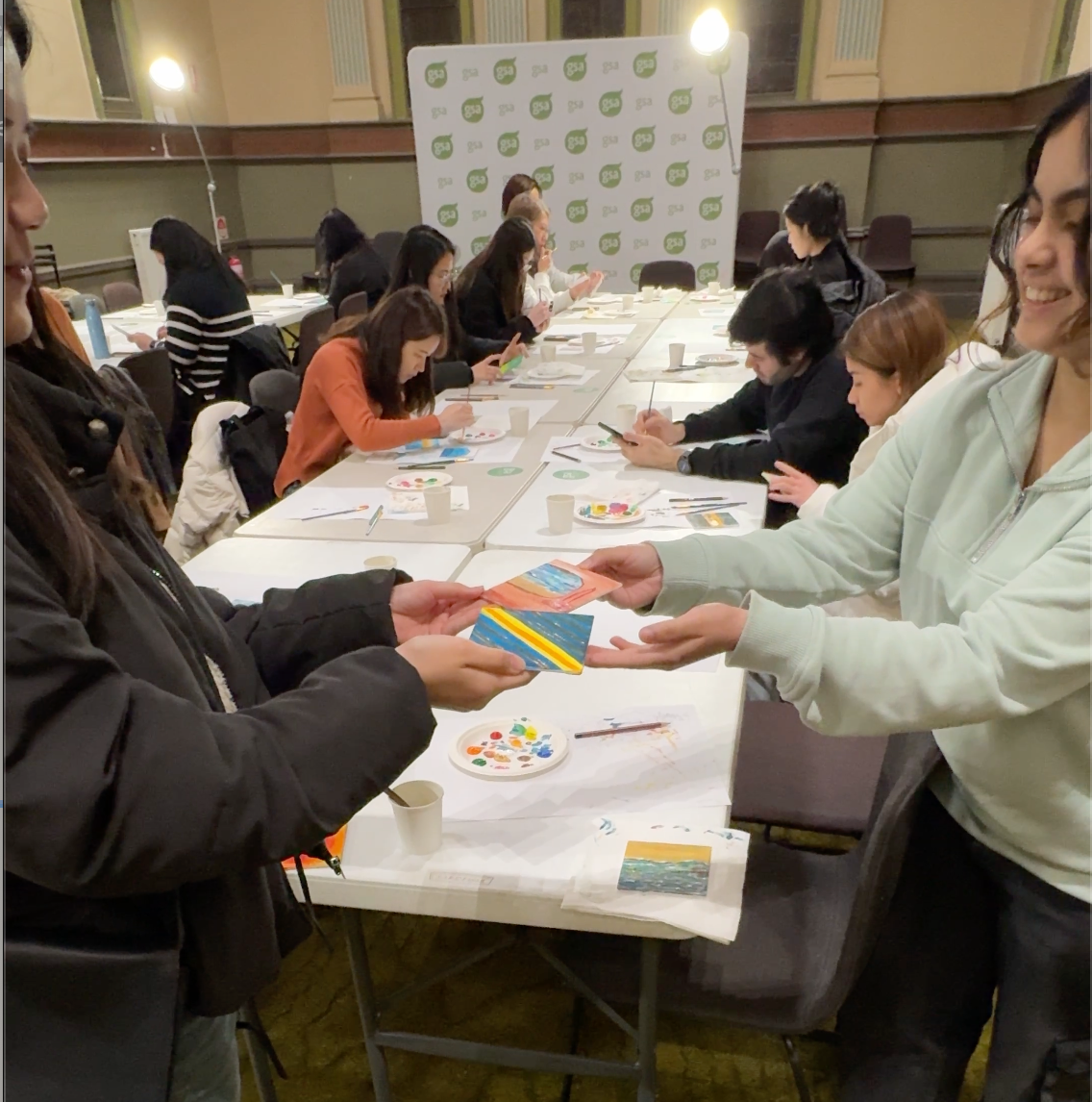
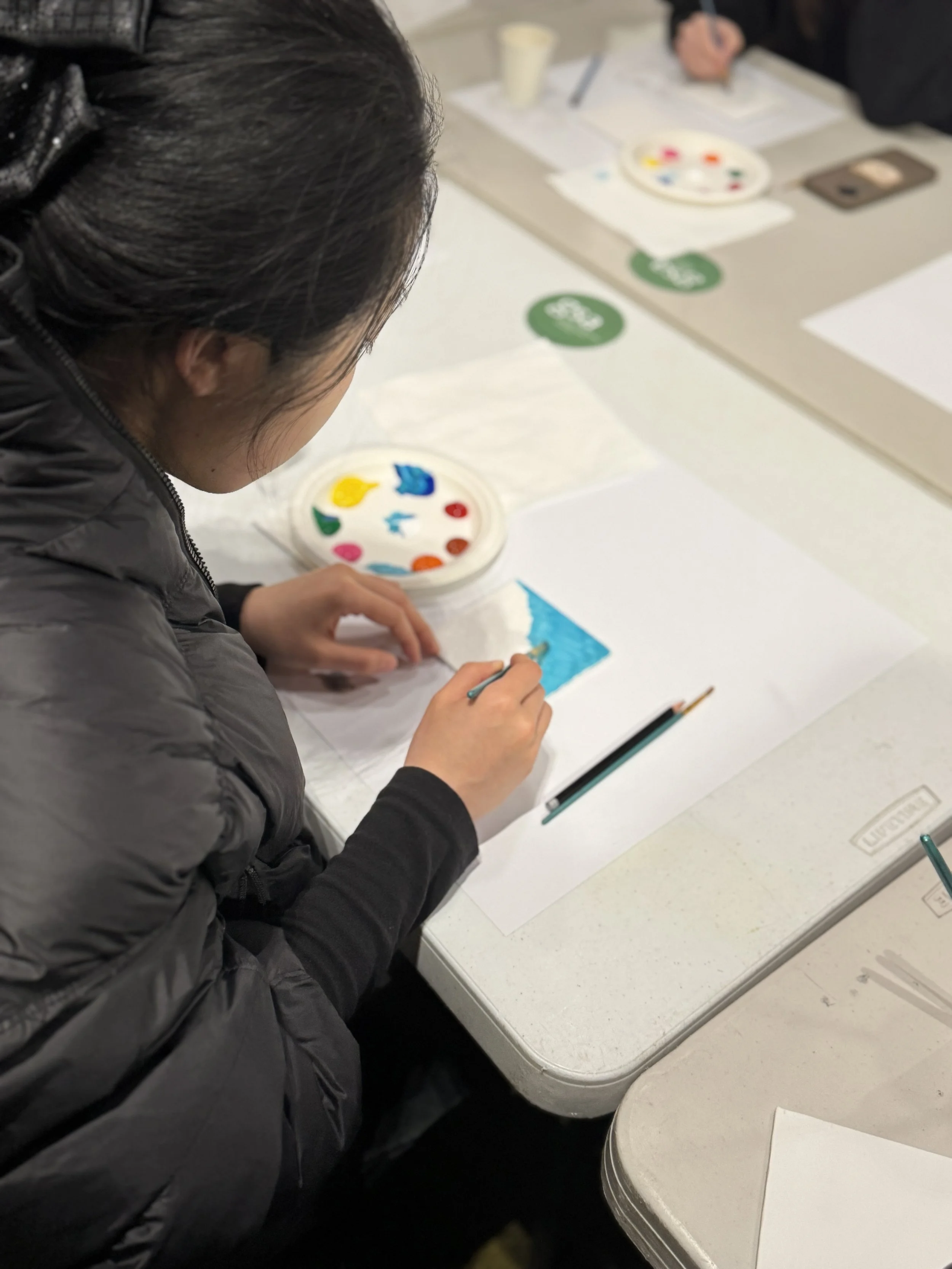
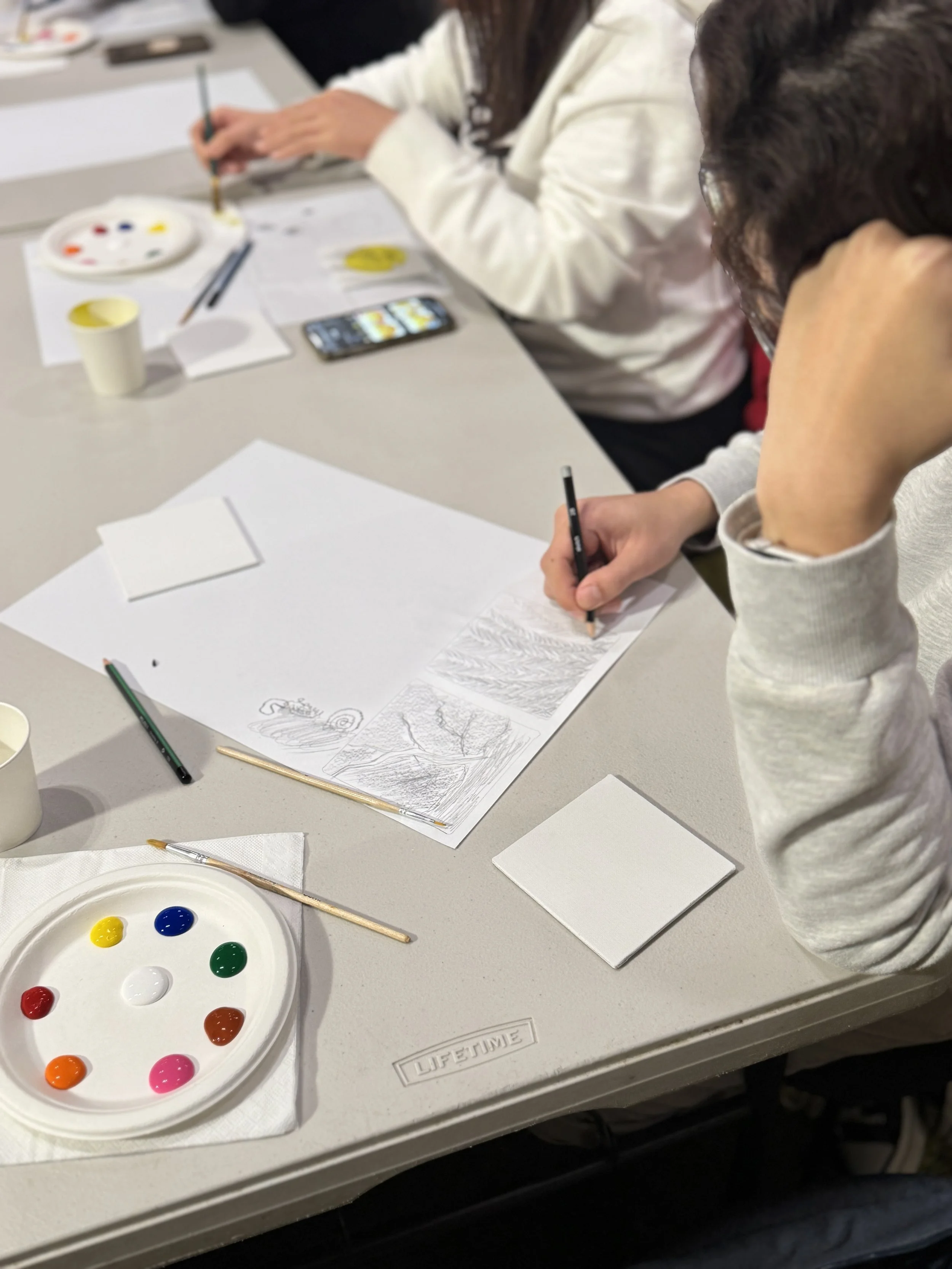
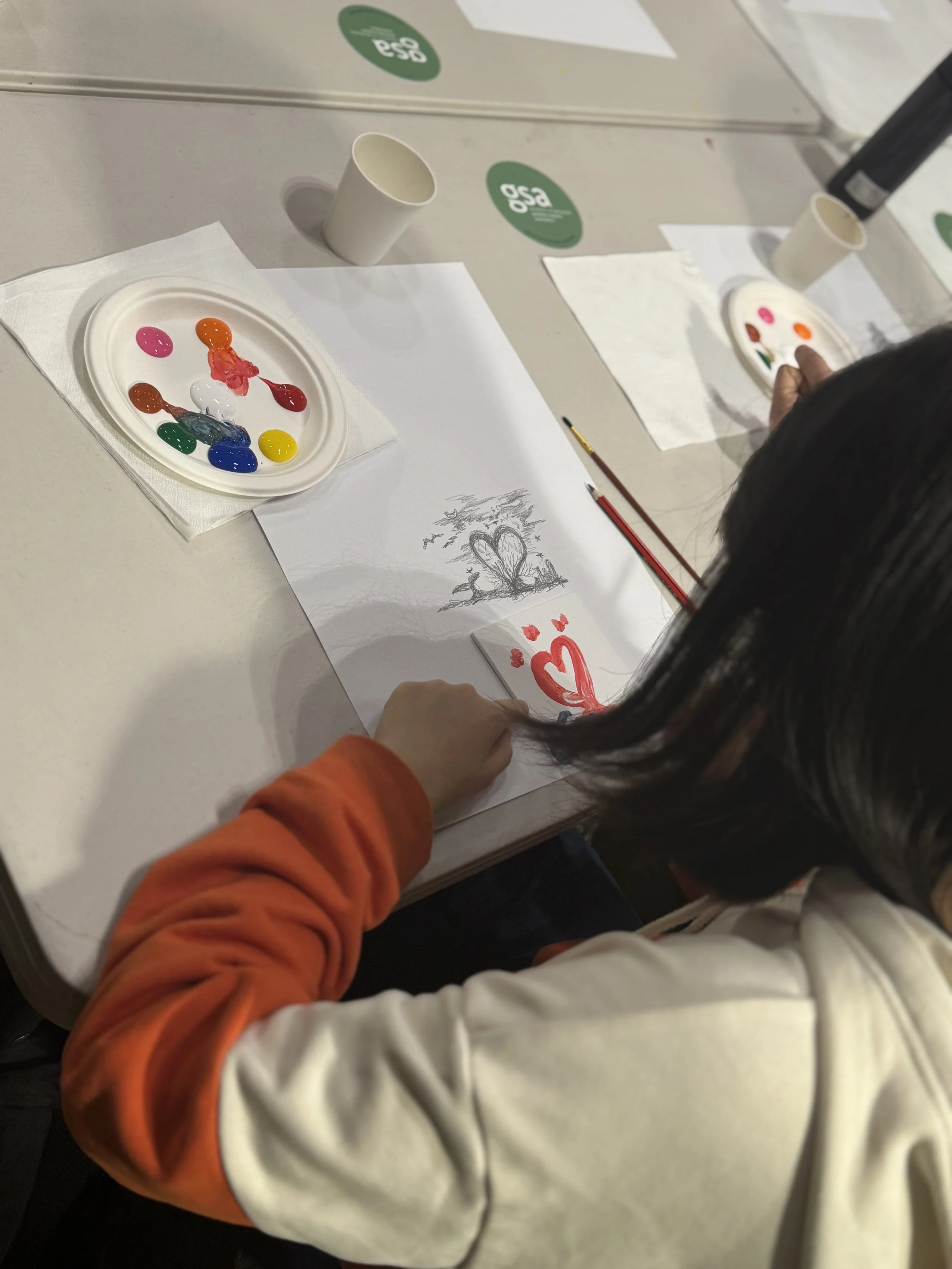
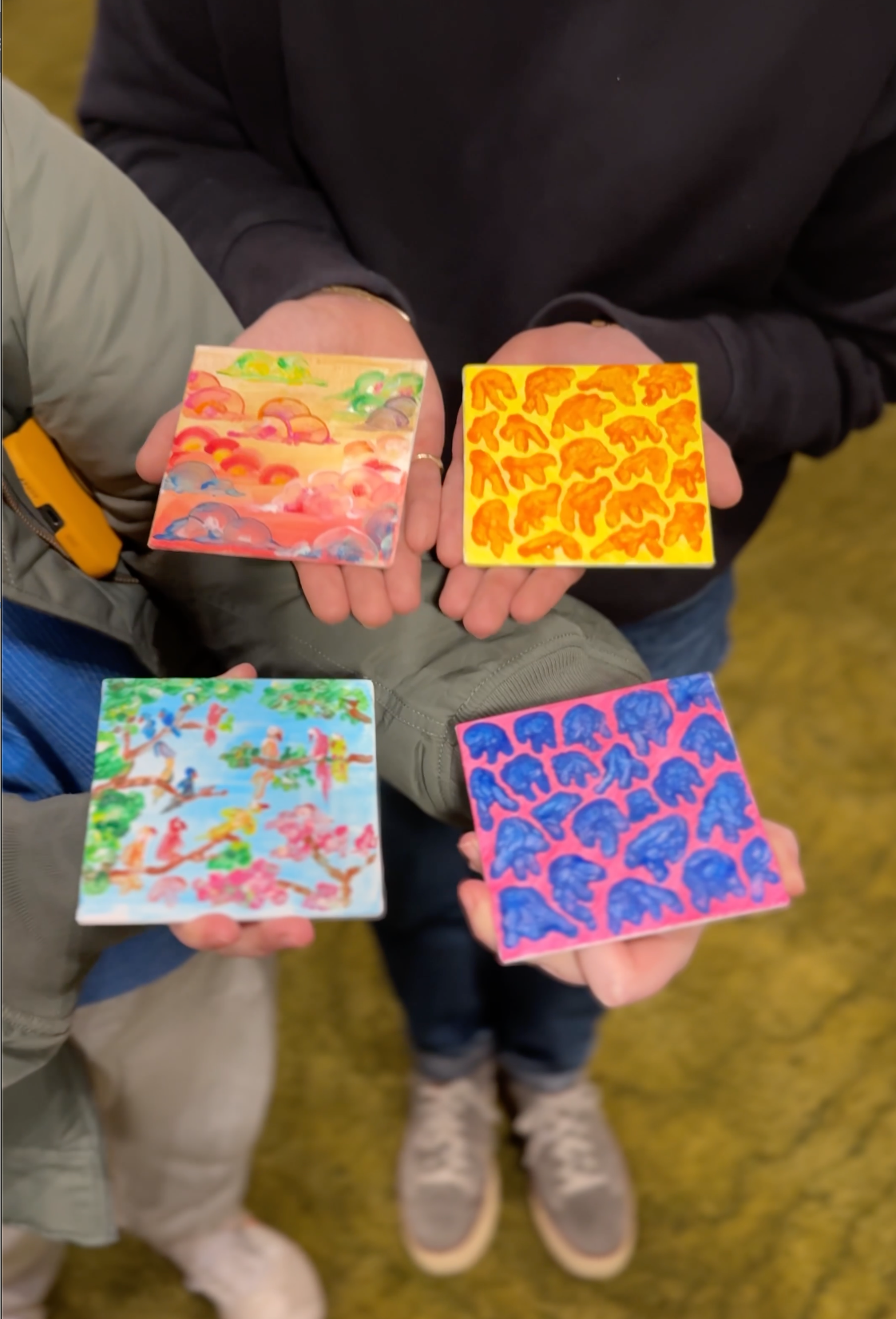
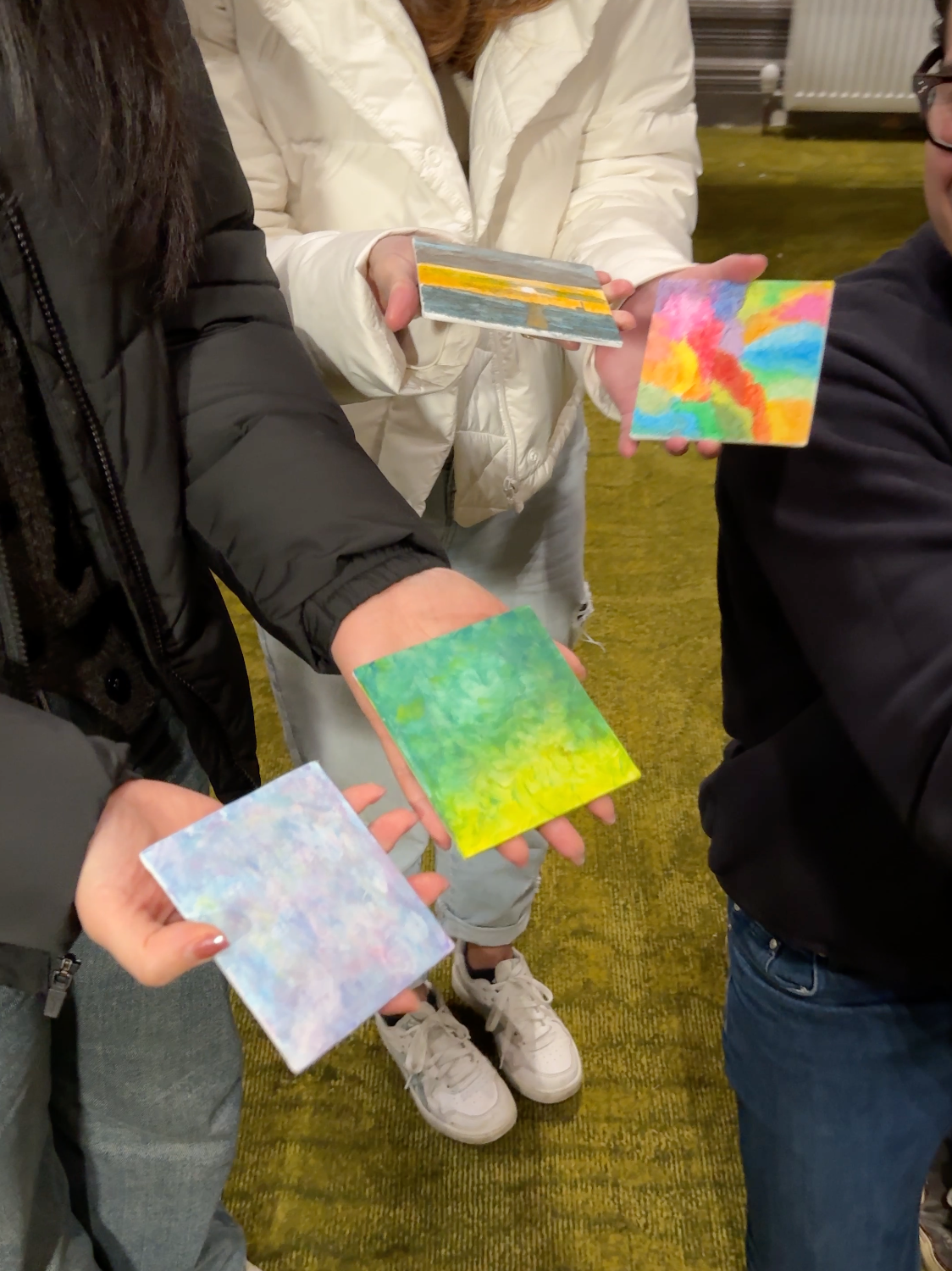
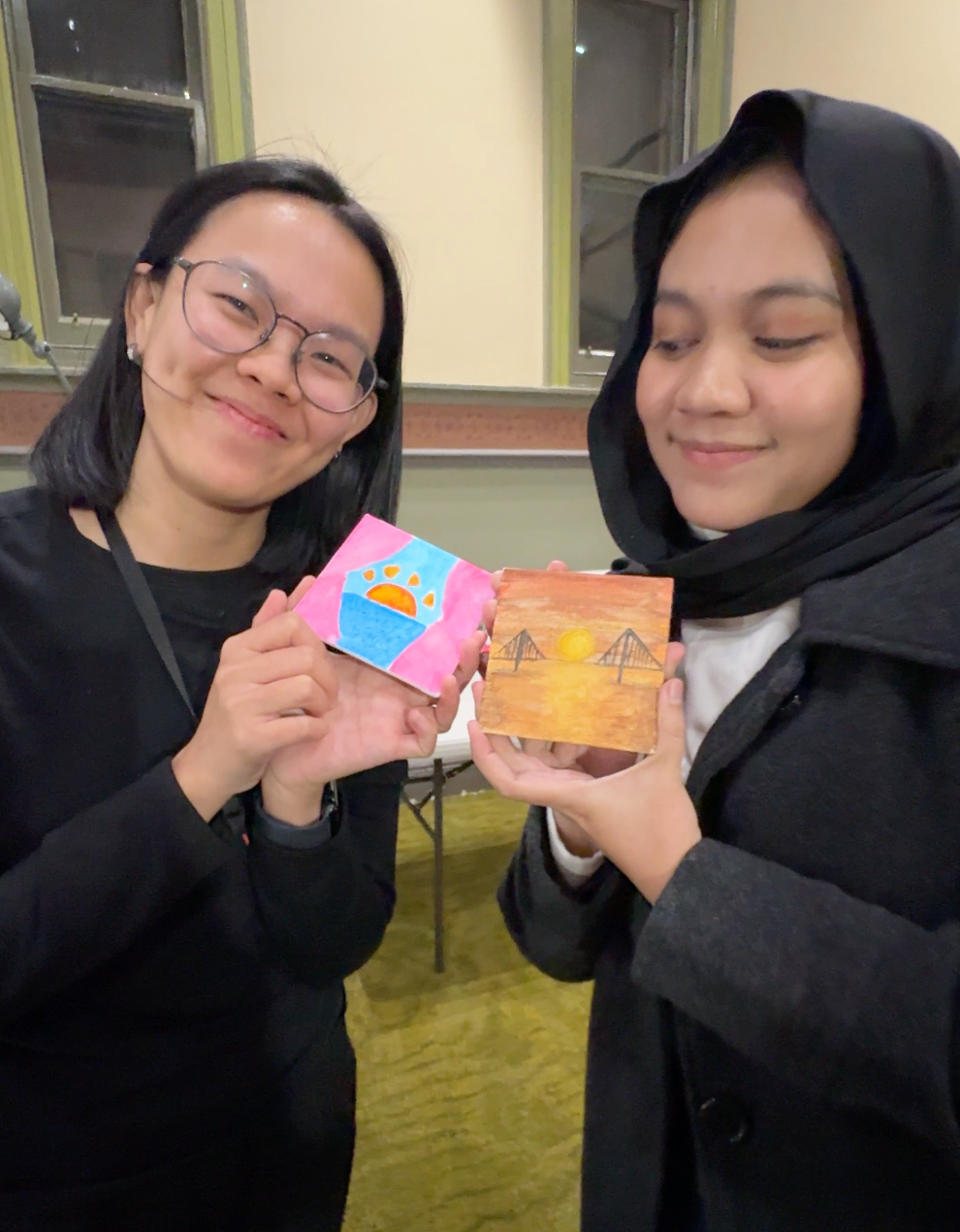
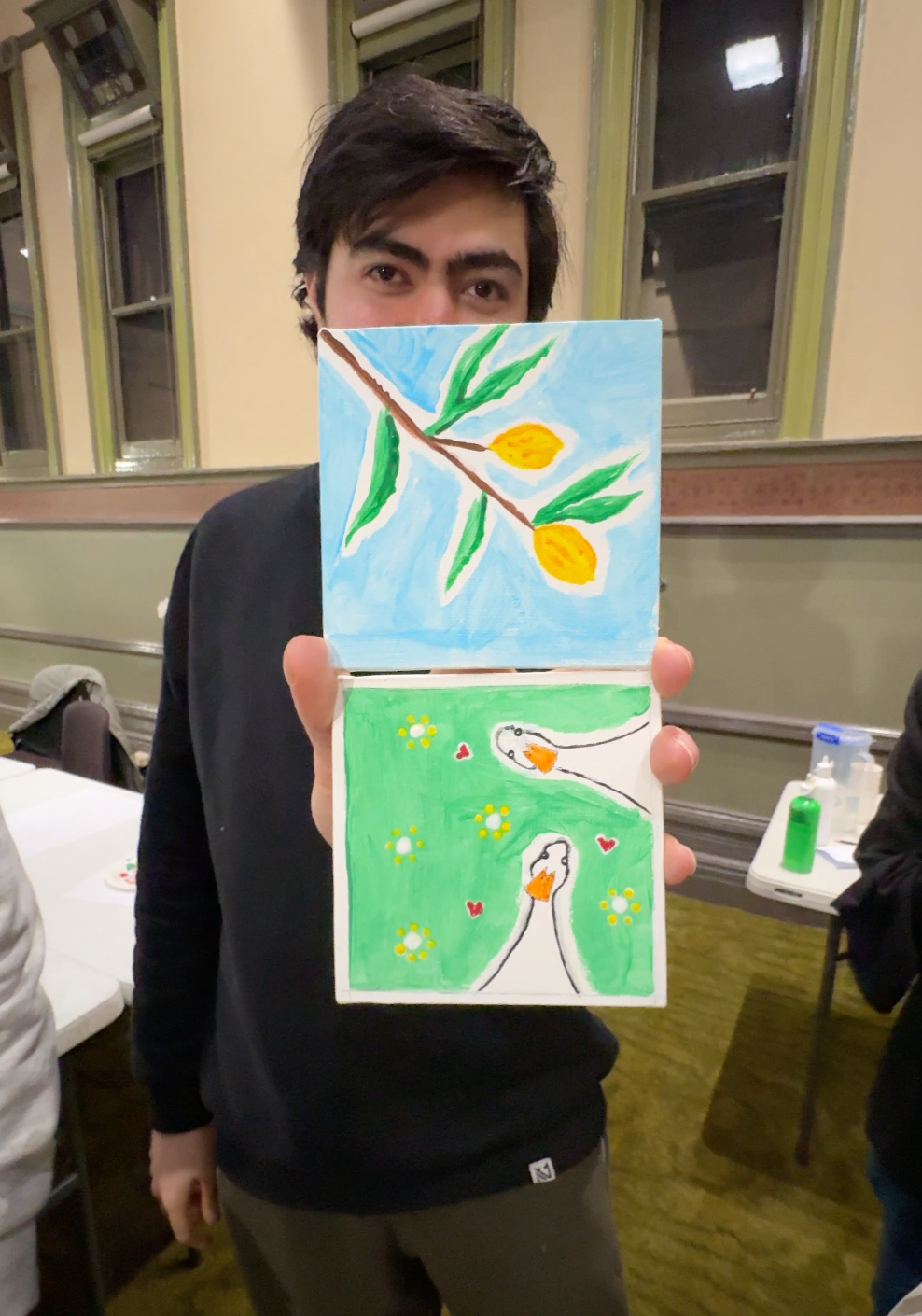
As an a/r/tographer, I’m designing situations where people encounter a particular human experience through making, and then reflecting on what that experience reveals. That gives each project its own inquiry while contributing to a larger body of research about arts-based learning, participation and relational ways of knowing.
Inquiry
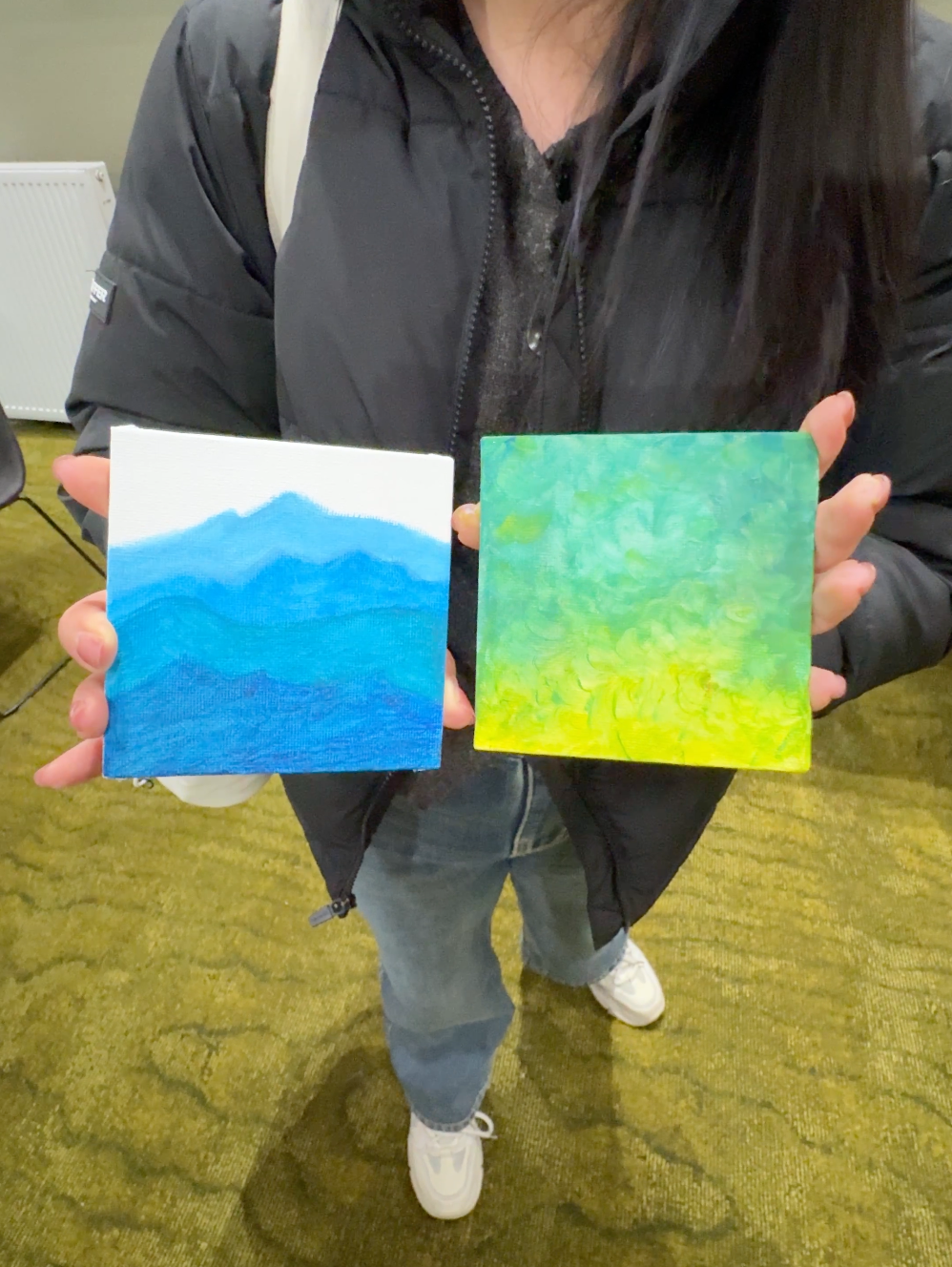
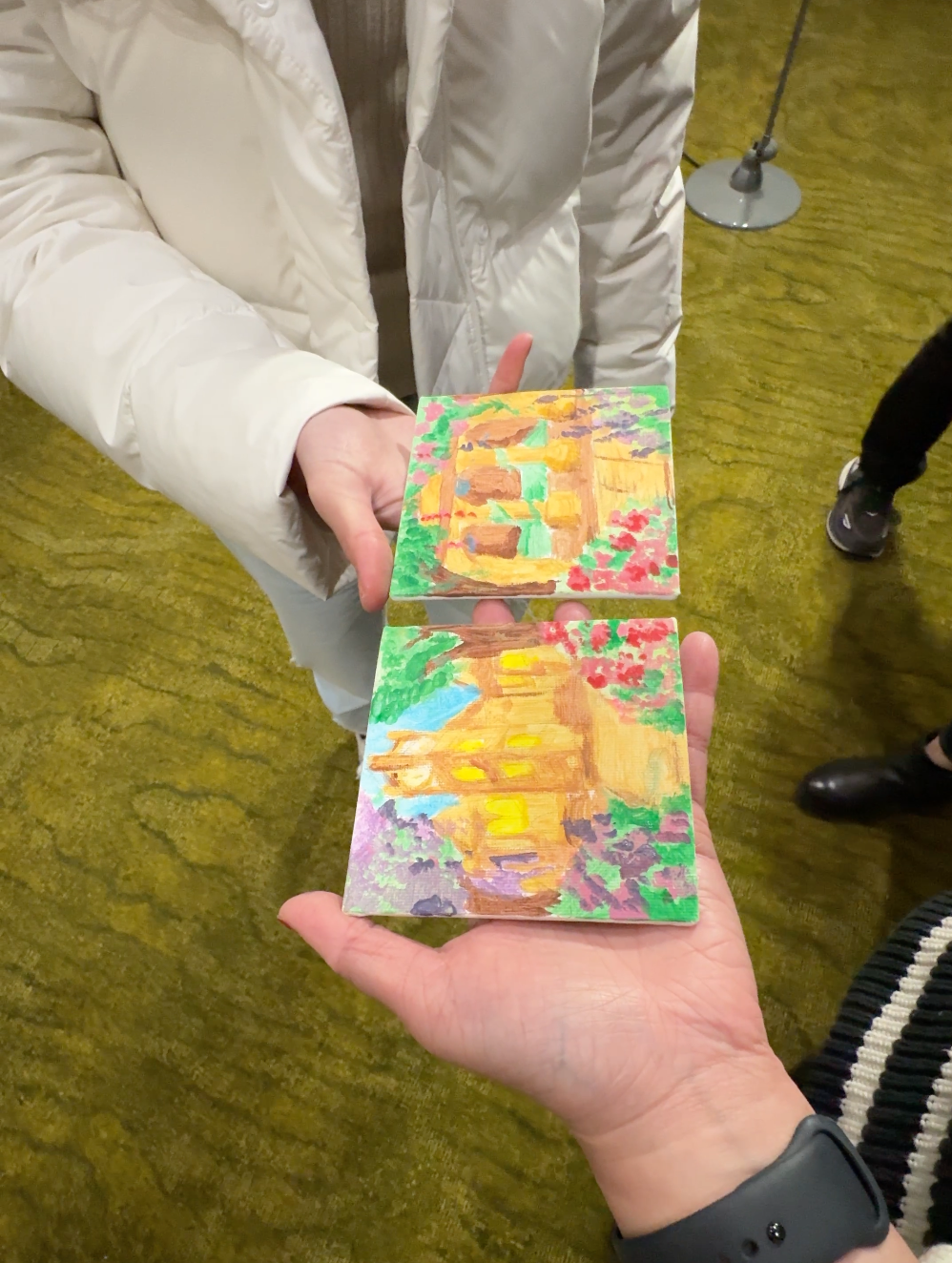
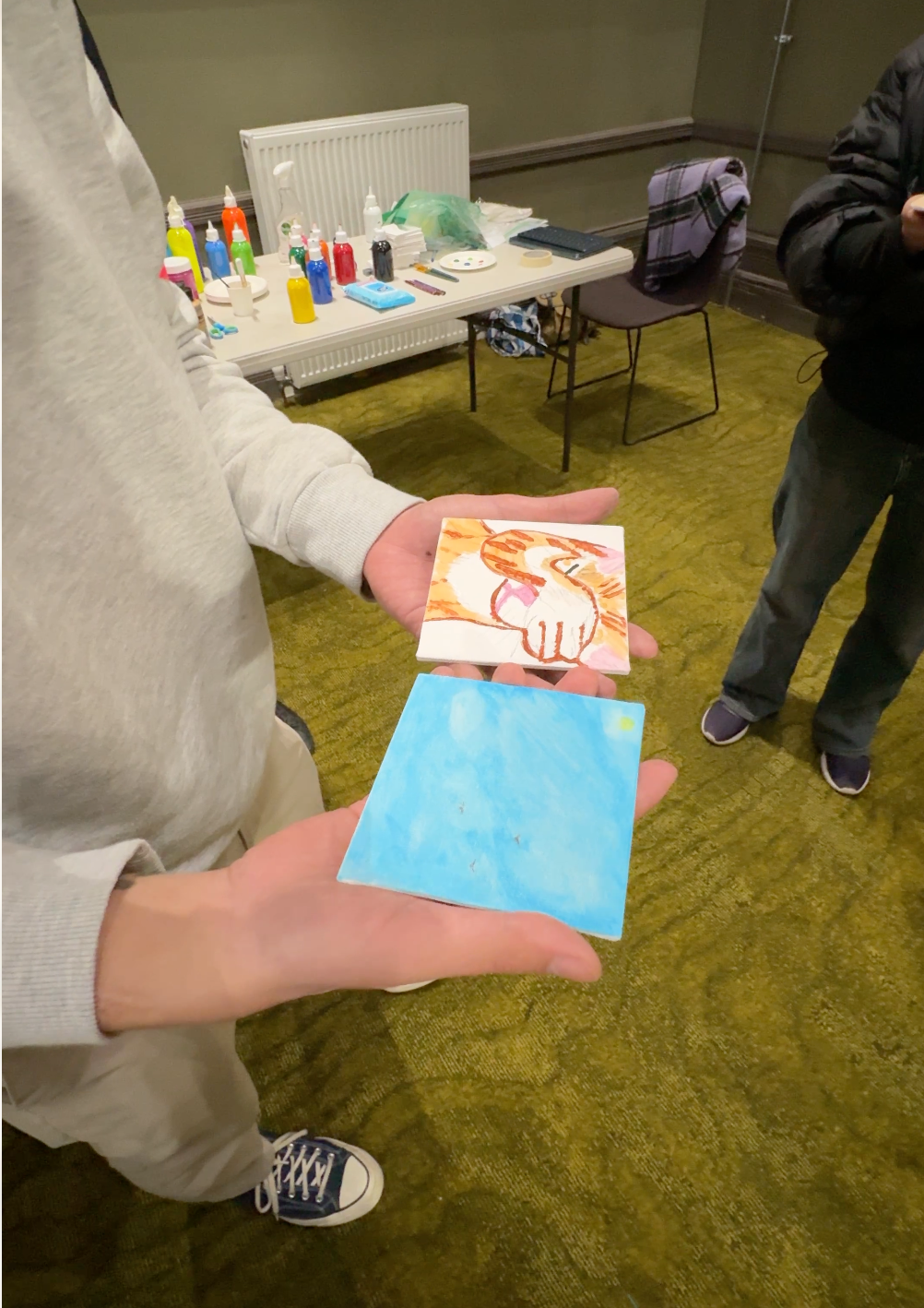
Miniature Moments
Inquiry
Get Carried Away
Inquiry
How might participatory drawing cultivate ecological attention? (attention, perception, more-than-human relationships)
Glow Lab in the Gallery (2025)
What becomes visible when drawing begins with light rather than line?
Research Question: How might participatory drawing cultivate ecological attention by reconfiguring relationships between light, technology, collective observation and slow looking?
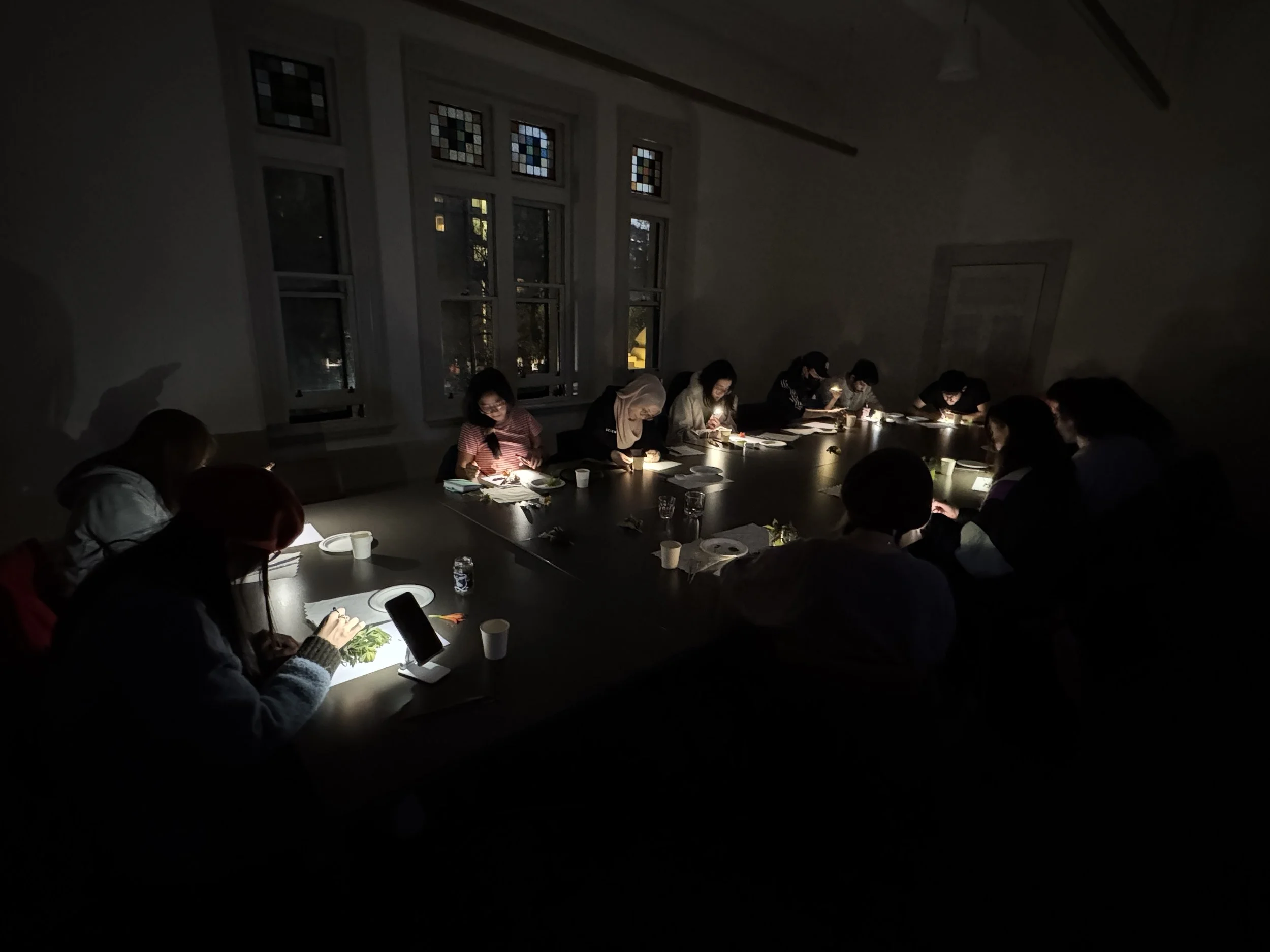
Glow Lab in the Gallery emerged as a living inquiry into how collective drawing might cultivate ecological attention through the choreography of light, movement and shared observation. Rather than testing a predetermined outcome, the workshop unfolded through participants' encounters with darkness, living plants, phosphorescent materials and one another. Glow Lab in the Gallery is a participatory arts-based research project that investigates how collective drawing can cultivate attentive ways of seeing the more-than-human world.
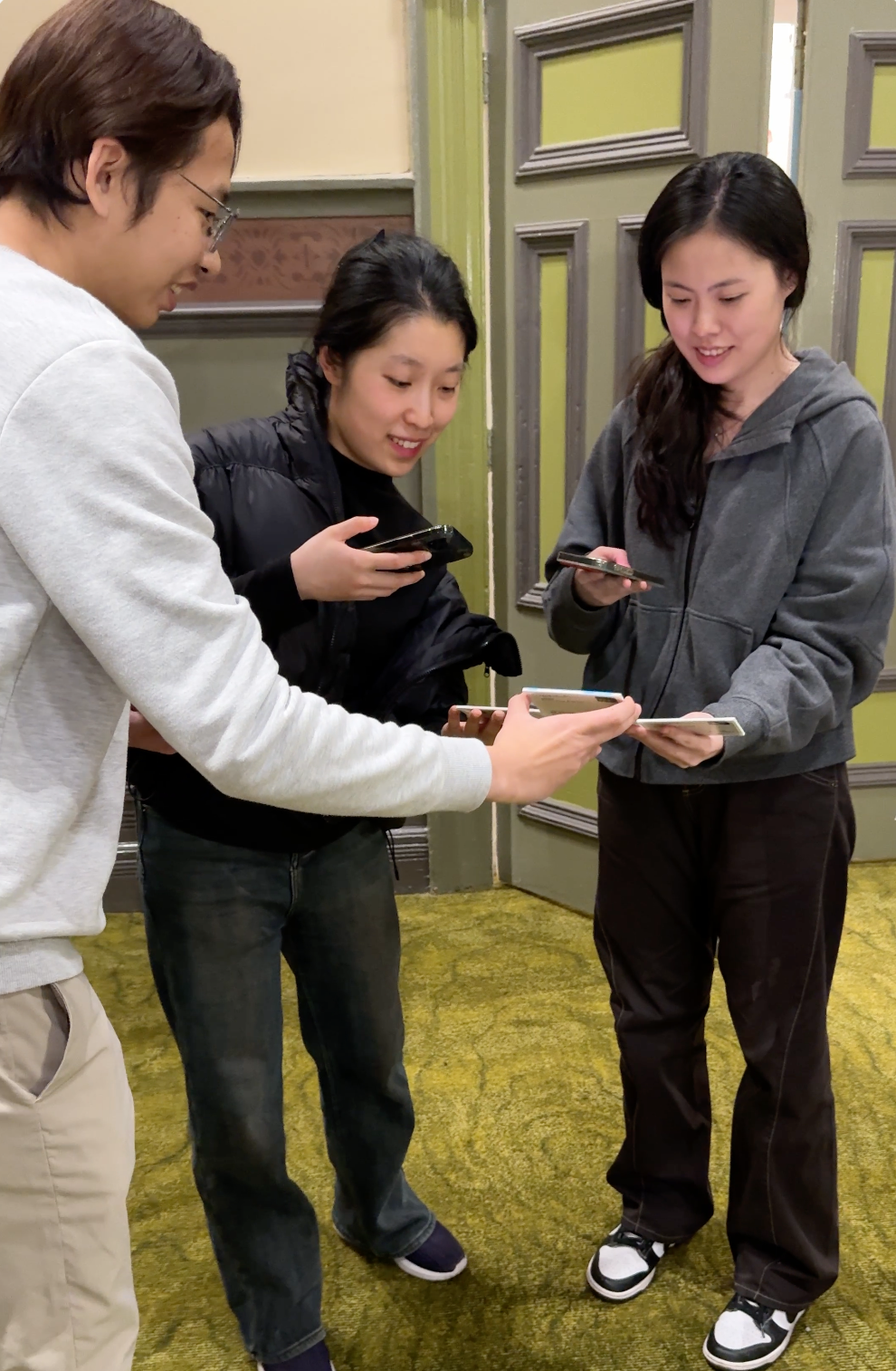
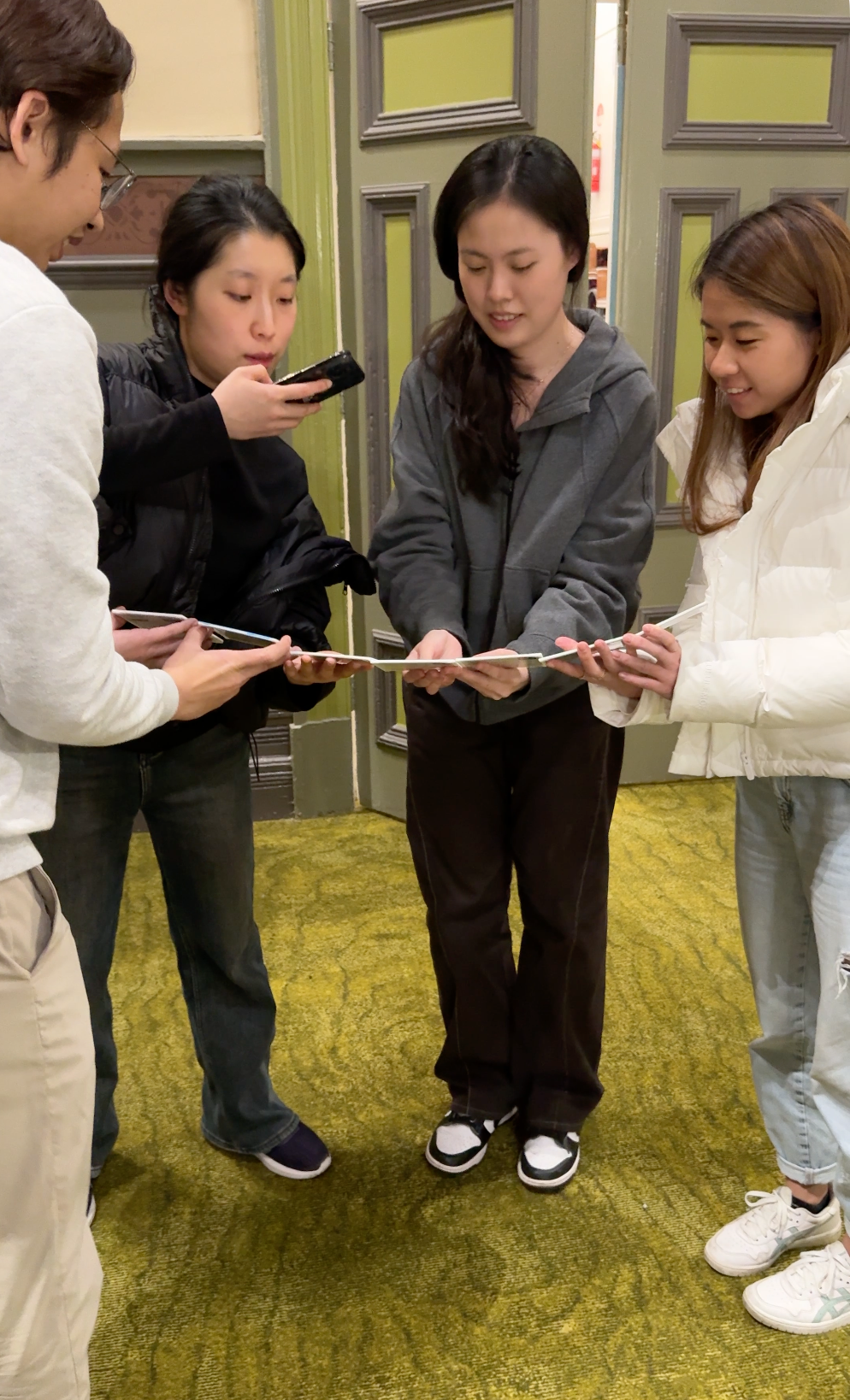
Rather than approaching drawing as the production of accurate botanical illustration, the workshop explored drawing as a practice of sustained attention. Darkness changed the conditions for drawing. Entering the gallery, participants were no longer able to rely on ambient light or immediate recognition. Instead, each person carried a mobile phone in one hand and a drawing tool in the other, using light to slowly reveal the contours of living plants, fungi and roots. As the beam moved across each surface, drawing became less an act of representation than an unfolding choreography between body, technology, material and environment. Observation became an embodied negotiation between light, movement and mark-making. The choreography of seeing and drawing required continual decisions about what deserved attention, what remained hidden and how perception unfolded through time.
Glow Lab in the Gallery emerged as a living inquiry into how attention might be cultivated through participatory art. Rather than approaching the mobile phone as a device of communication, the workshop repositioned it as an instrument of observation. Commonly associated with rapid communication, constant notifications and endless scrolling, the device became an instrument of careful observation. Rather than directing attention away from the immediate environment, it was repurposed as a creative tool that cultivated sustained looking. Its flashlight illuminated fragments of botanical forms, inviting participants to slow their movements, negotiate uncertainty and respond to what gradually emerged. The choreography of holding light while making marks required continual coordination between perception and action, producing an embodied form of knowing that could not be separated from the act of making itself.
As participants worked collectively within the darkened gallery, recycled timber panels, phosphorescent paint, botanical specimens and moving bodies became temporarily entangled. Drawing was no longer understood as the production of images but as a relational practice through which participants encountered living systems, recognised themselves as part of those ecosystems, one another and their own ways of paying attention. As participants illuminated the living forms before them, they also illuminated new possibilities for noticing, relating and making with the more-than-human world. The workshop proposed that creativity is not simply an individual capacity but an ecological process that emerges through relationships between people, materials, technologies and place.
The experience also demonstrated the pedagogical value of slowness. Coordinating both hands while negotiating light, darkness and unfamiliar materials required participants to suspend habitual ways of working. Decisions unfolded gradually through observation rather than speed, encouraging participants to become more aware of how attention itself shapes perception. In this sense, drawing became less about producing images than about cultivating a particular quality of presence.
The workshop was designed not only as an artistic experience but also as an experiment in collective attention. Bringing together an interdisciplinary cohort from science, engineering, the humanities and the creative disciplines created a space where different ways of knowing could meet through shared acts of observation, discussion and making. Scientists, humanities scholars and creative practitioners entered the same material conversation, negotiating uncertainty through observation, discussion and collaborative making. The artwork emerged not through individual authorship but through the accumulation of many careful acts of attention.
The project was informed by arts-based learning approaches that understand making as a form of inquiry rather than illustration. Elliot Eisner argues that the arts cultivate ways of knowing unavailable through propositional language alone, while Rita Irwin's conception of a/r/tography positions artistic practice, research and pedagogy as interconnected processes of living inquiry. Rather than teaching participants to draw plants, Glow Lab in the Gallery invited them to investigate how drawing itself might transform perception. The workshop foregrounded curiosity, attentiveness and material engagement as forms of learning generated through practice.
Inquiry
How might arts-based learning create spaces where veterinary students strengthen professional skills while reconnecting with creativity, care and themselves?
Vet Awareness Week (2025)
Caring for Carers
Research Question: How might creative practice support embodied learning, professional communication and wellbeing within veterinary education?
care as a relational practice—for oneself, for others, and for the more-than-human world not care Not care as in nursing or healthcare.
Before designing the workshops, I spent time within the veterinary school observing how students learned through their hands. I visited surgical practice rooms, examined the instruments they used and spoke with third- and fourth-year veterinary students about the practical skills they were developing. They demonstrated how they worked with surgical simulators representing calves, horses, dogs, cats and birds, allowing me to better understand the tactile nature of their learning. Watching them work revealed that veterinary education depends not only upon scientific knowledge but upon touch, precision, repetition and careful observation. These embodied ways of knowing became the foundation for designing the creative workshops.
Motivation
When I learned that veterinarians experience disproportionately high rates of psychological distress, burnout and suicide despite undertaking years of intensive professional training, I was deeply affected. These are the people who dedicate their lives to caring for our companion animals, livestock and wildlife, often supporting families through moments of joy, uncertainty and grief while carrying significant emotional responsibility themselves.
I felt compelled to respond in the way I knew best: through art.
Rather than seeing creativity as something separate from scientific education, I wondered whether arts-based learning could contribute to veterinary education by supporting the very skills students already rely upon. Could creative practice become another way of communicating, observing, making and caring? Could it also create moments of reflection within a profession that rarely slows down?
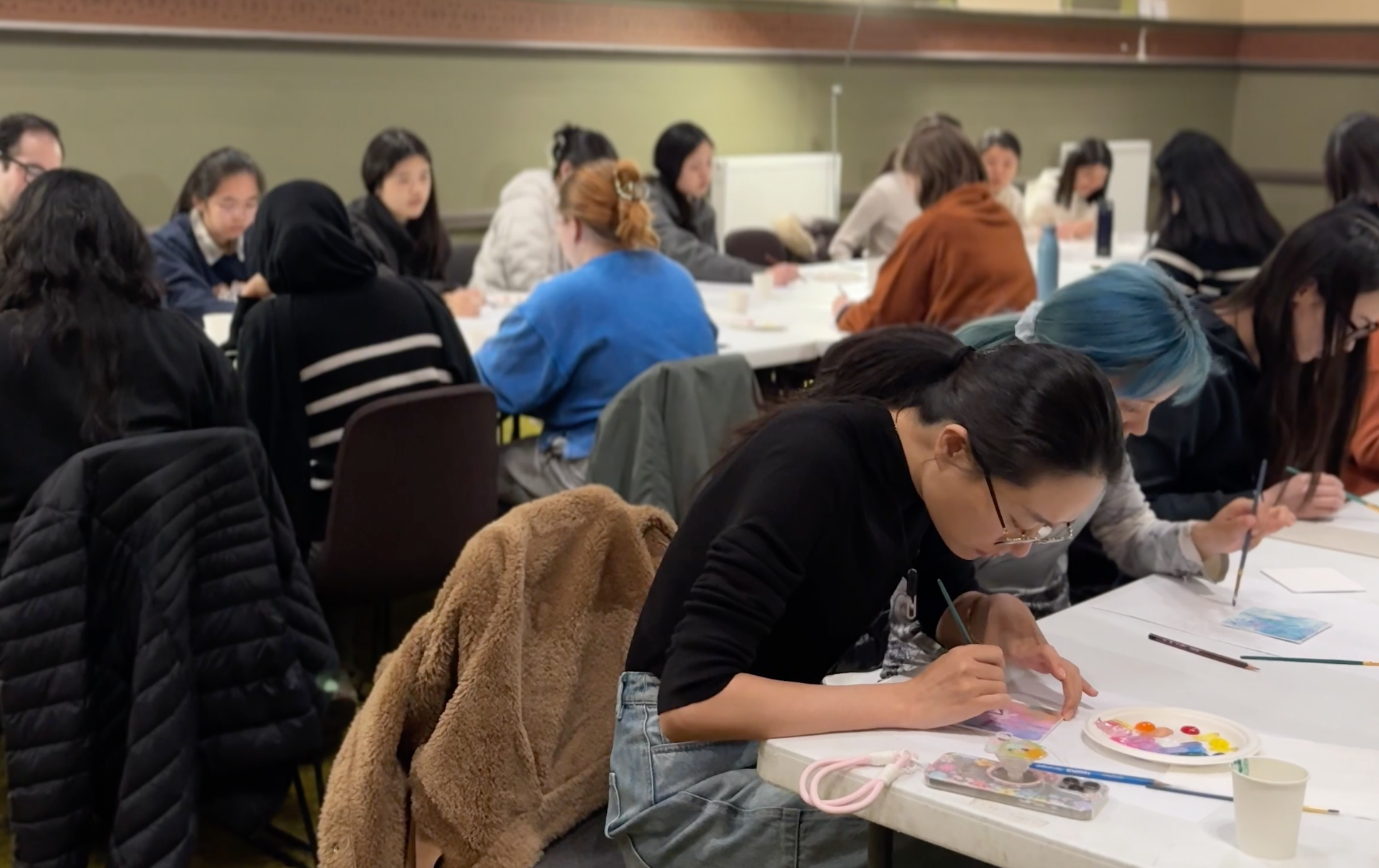
The workshops formed part of Vet Awareness Week at the University of Melbourne's Werribee campus and invited third- and fourth-year veterinary students to engage with creative practice as both a professional resource and a personal outlet.
Beginning with Their Practice
Before designing the workshops, I spent time within the veterinary school observing how students learned through their hands.
I visited the surgical practice rooms, examined the instruments they used and spoke with third- and fourth-year veterinary students about the practical skills they were developing. They demonstrated how they worked with surgical simulators representing calves, horses, dogs, cats and birds, allowing me to better understand the tactile nature of their learning.
Watching them work revealed something I had not fully appreciated beforehand.
Veterinary education depends not only upon scientific knowledge but upon touch.
Students continually learn through their hands. They develop tactile sensitivity, precision, careful observation and the ability to make decisions through subtle physical feedback. Their hands become instruments of communication, diagnosis and care.
Rather than designing art workshops independently of this practice, I chose to design with these embodied ways of knowing already in mind.
Designing for Dexterity
The workshops were intentionally designed to complement the manual skills already central to veterinary education.
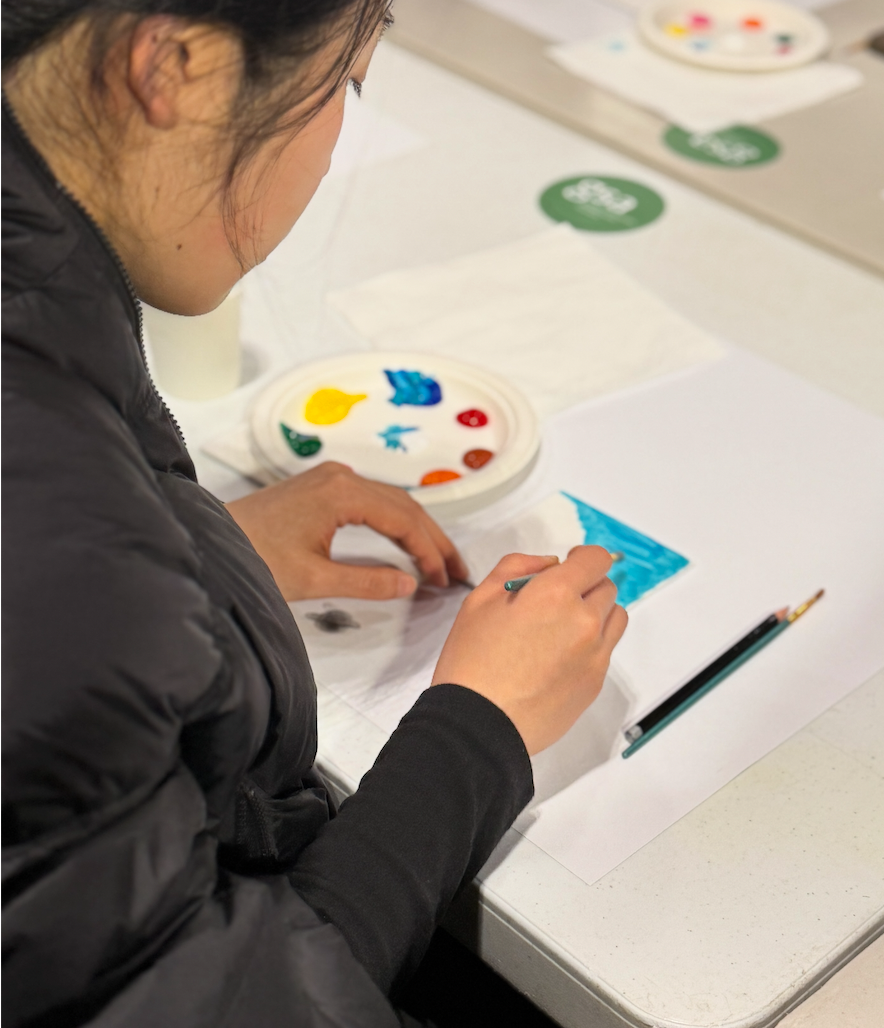
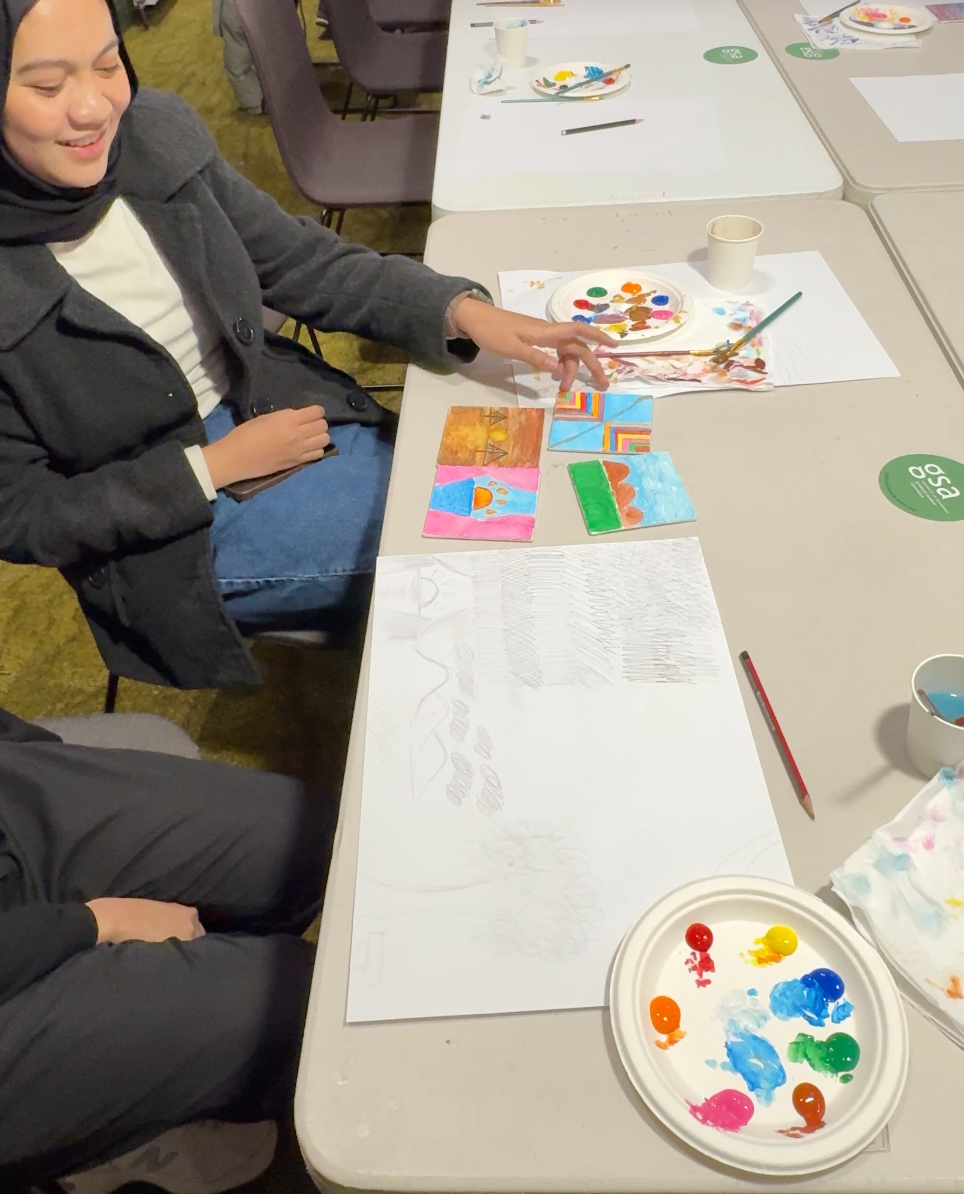
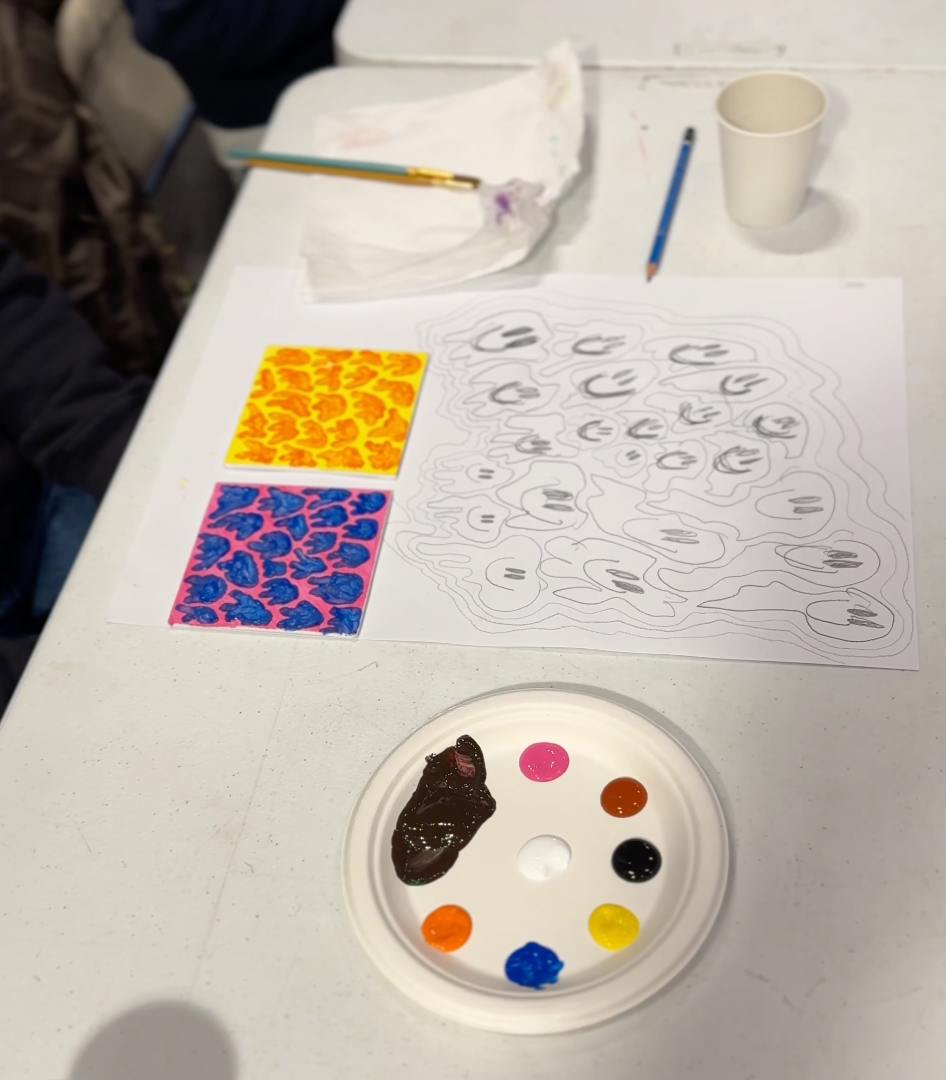
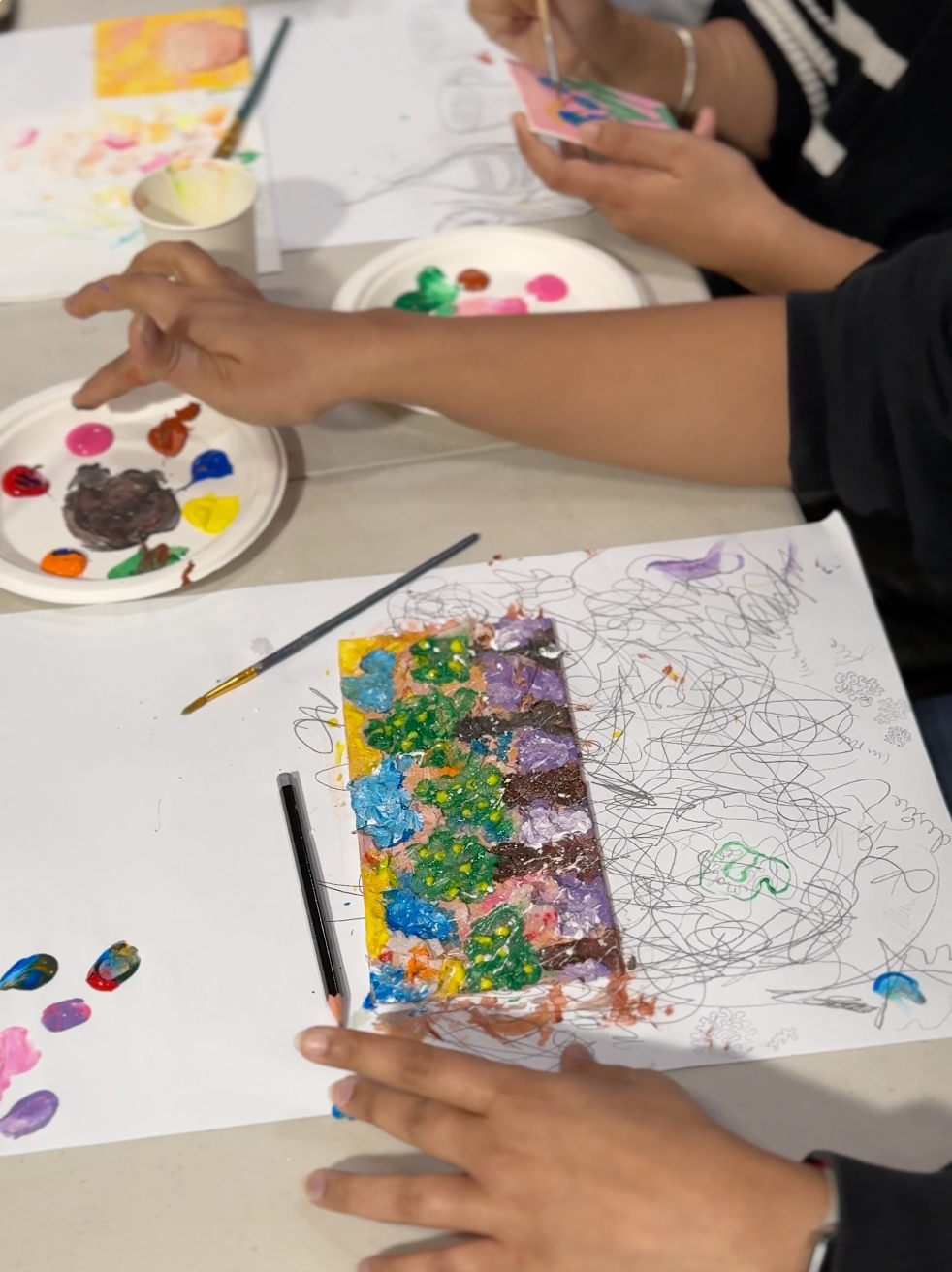
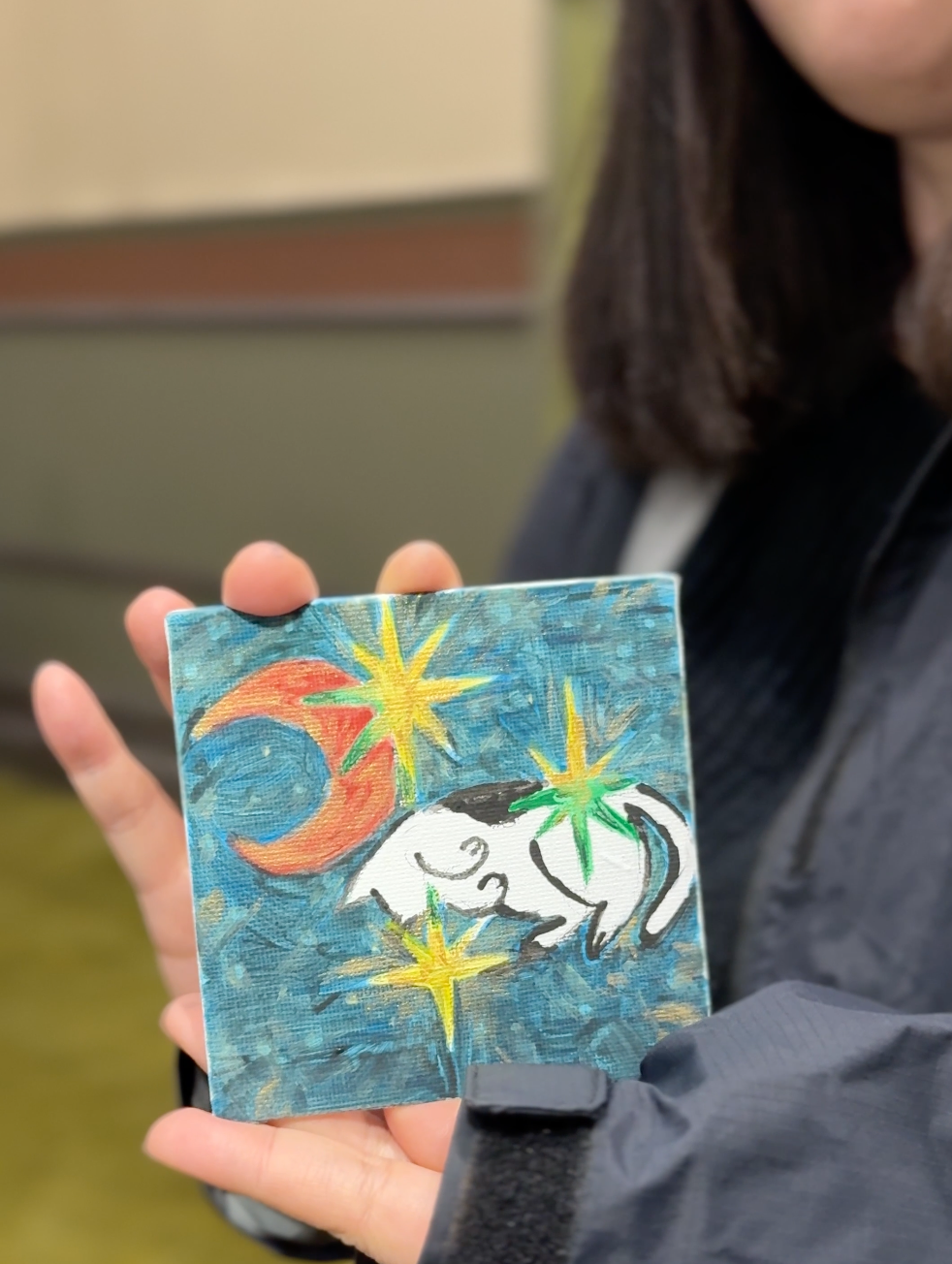
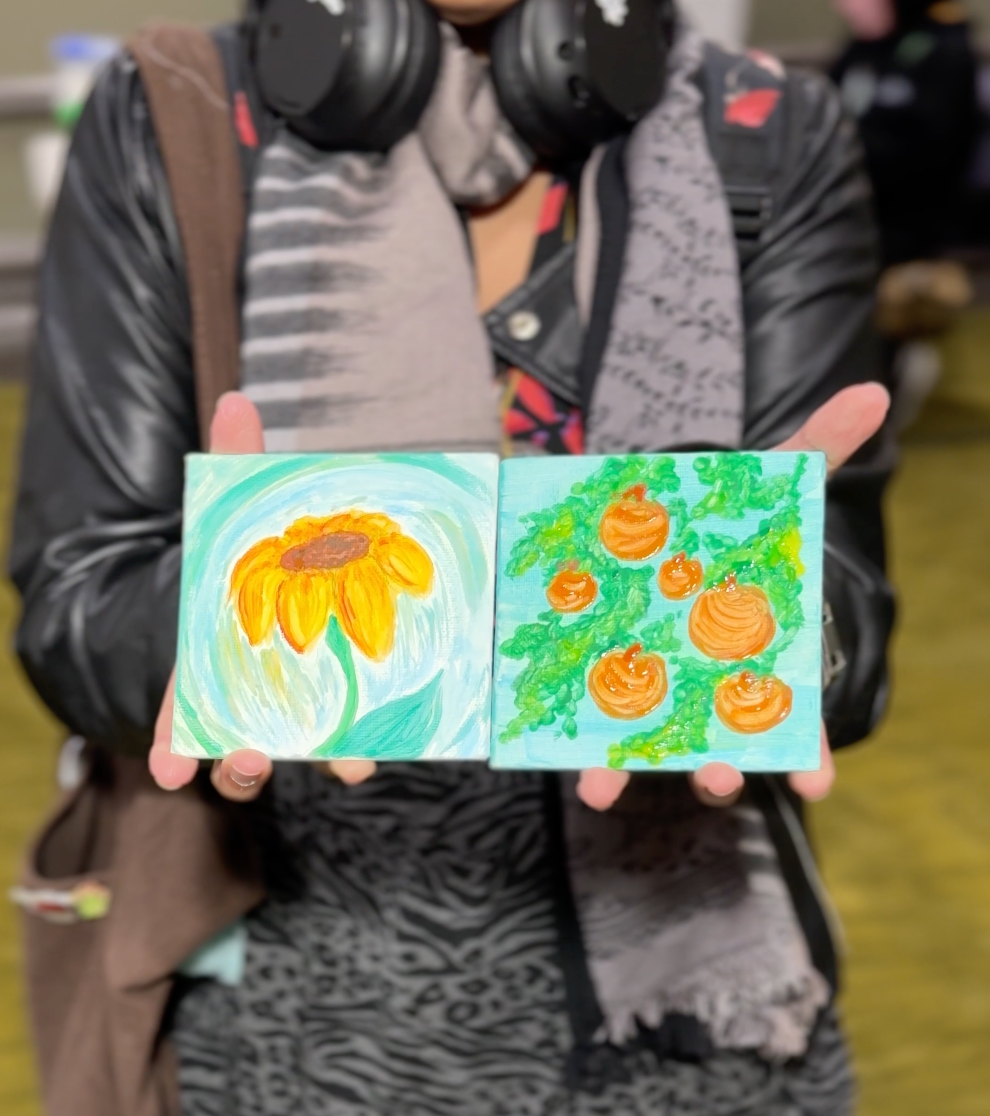
Drawing, painting and collage encouraged observation, visual communication and controlled hand movements. Textile practices, including embroidery and hand stitching, developed repetitive fine motor movements closely aligned with suturing techniques practised throughout veterinary training.
One workshop invited participants to create jewellery using tiny beads manipulated with surgical-grade stainless steel tweezers that had belonged to my father, an engineer whose own work demanded extraordinary precision. Picking up each individual bead required concentration, patience and steady hand control. Although playful, the activity quietly reinforced many of the same fine motor skills students were simultaneously developing within their clinical training.
Rather than attempting to simulate surgery, these creative activities provided opportunities to continue refining dexterity through enjoyable, low-pressure forms of making.
Participants repeatedly commented that they had never considered creative practice as relevant to veterinary medicine. Many expressed appreciation for discovering artistic activities they could continue independently at home, not only to maintain their manual skills but also to create moments of reflection outside the demands of university and clinical placements.
Drawing as Communication
Veterinary professionals regularly communicate complex diagnoses, treatment plans and surgical procedures to animal owners. These conversations often involve technical language, uncertainty and emotion.
Drawing offers another language.
Throughout the workshops, participants explored how simple visual representations could communicate anatomical structures, procedures and clinical concepts in ways that were immediate and accessible. Rather than producing polished illustrations, drawing became a practical tool for explanation, conversation and shared understanding.
The workshops demonstrated that visual communication can complement scientific knowledge by helping translate complexity into clarity.
Trust Through the Hands
As I observed students working throughout the workshops, I became increasingly aware that much of veterinary practice depends upon trust developed through the hands.
Artists understand this relationship.
So do surgeons.
So do veterinarians.
Hands learn through repetition, attention and experience. They become increasingly responsive to subtle textures, pressure and movement. Whether holding a paintbrush, threading a needle, manipulating tweezers or performing a surgical procedure, knowledge is not only intellectual but embodied.
The creative activities invited participants to continue cultivating this embodied intelligence through making.
Artistic practice did not replace their professional learning.
It worked alongside it.
Creativity as Care
Alongside developing professional skills, the workshops also created something less tangible but equally important.
Time.
Within demanding degrees characterised by long hours, assessment pressures and emotional intensity, participants were invited to make without being assessed.
There was no correct answer.
No diagnosis.
No patient.
No expectation of perfection.
Participants simply made.
Many shared how meaningful it felt to be recognised as people rather than only future professionals. Several spoke openly about the pressures they anticipated entering the profession and their concerns about maintaining their own wellbeing throughout their careers.
The workshops did not attempt to solve these challenges.
Instead, they offered a creative space where participants felt noticed, supported and encouraged to continue making beyond university.
Reflection
Designing these workshops began with empathy.
When I learned about the wellbeing challenges experienced throughout the veterinary profession, I felt compelled to respond through my own practice as an artist and educator. Yet before making any assumptions about what students might need, I chose to begin by learning from them.
Observing veterinary education firsthand transformed my understanding of the profession. I realised that veterinary students already possess deeply embodied ways of knowing. Their learning is grounded in touch, precision, repetition, observation and trust in their hands. Rather than introducing creativity as something entirely new, I sought to design artistic experiences that resonated with the tactile knowledge they were already developing.
Reflecting on the project afterwards, I realised these workshops were never simply about teaching drawing, painting or embroidery. They became opportunities to reveal the connections between artistic and veterinary practice. Both rely upon careful observation. Both require skilled hands. Both demand patience, concentration and sustained attention. Above all, both are fundamentally practices of care.
The experience also reinforced my belief that arts-based learning has an important place beyond traditional creative disciplines. Creativity is not only a means of producing artwork but a way of thinking, communicating, reflecting and engaging professionally. By working with rather than outside existing disciplinary practices, arts-based learning can enrich professional education in meaningful and unexpected ways.
Vet Awareness Week suggests that creative practice can contribute to veterinary education by strengthening visual communication, supporting embodied learning and creating opportunities for reflection within an emotionally demanding profession. Rather than positioning art as therapy, the project explored how creative practice might become one of many resources that supports confidence, professional capability and sustainable ways of caring for both others and oneself.
Sometimes professional knowledge is often carried through the hands.
Inquiry
How might collaborative making transform strangers into creative partners?
Mandala Makers (2024)
Transforming Strangers into Creative Partners
Research Question: How might making together transform uncertainty into collaboration?
Participants entered the workshop without knowing who they would work alongside.
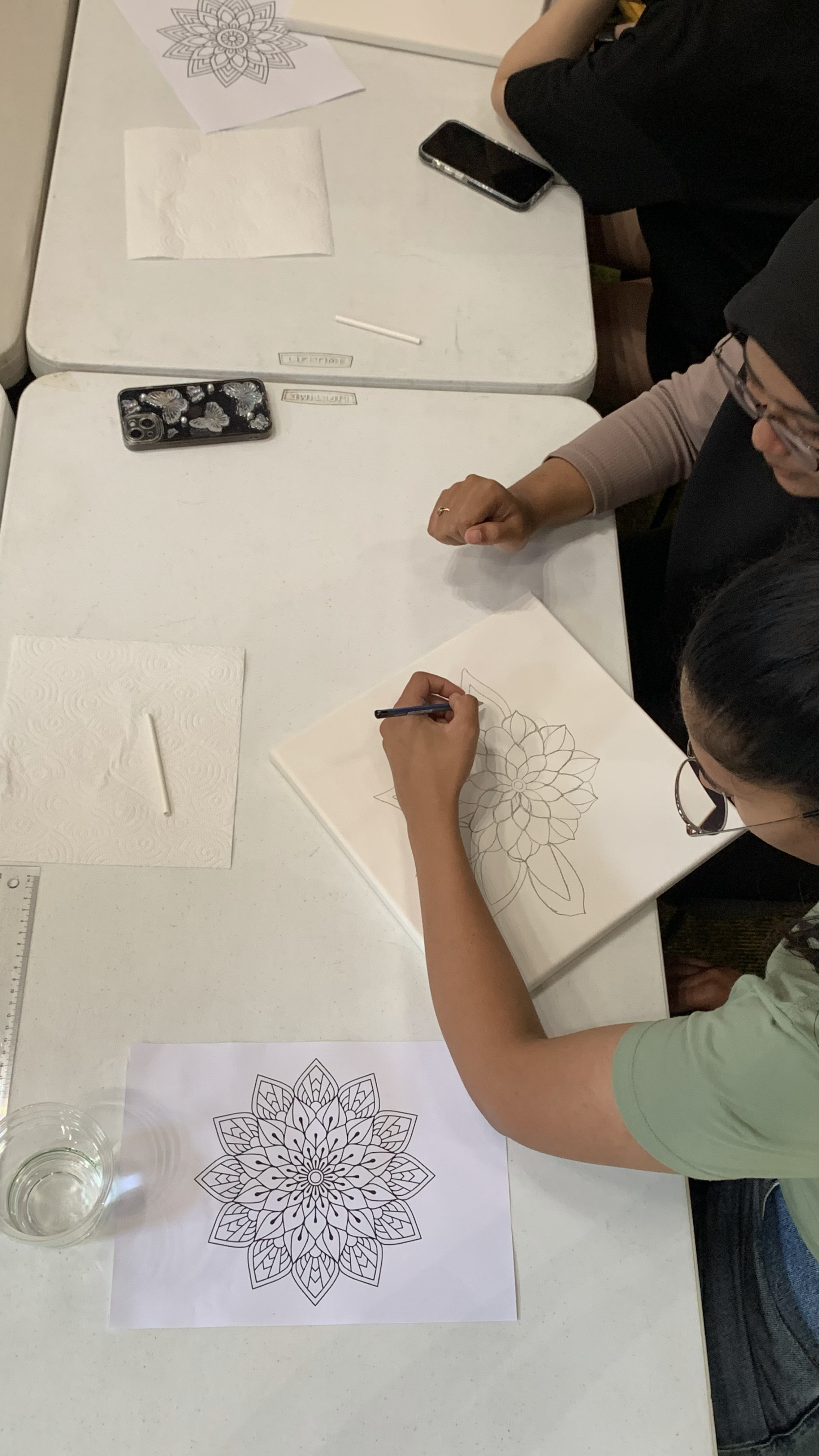
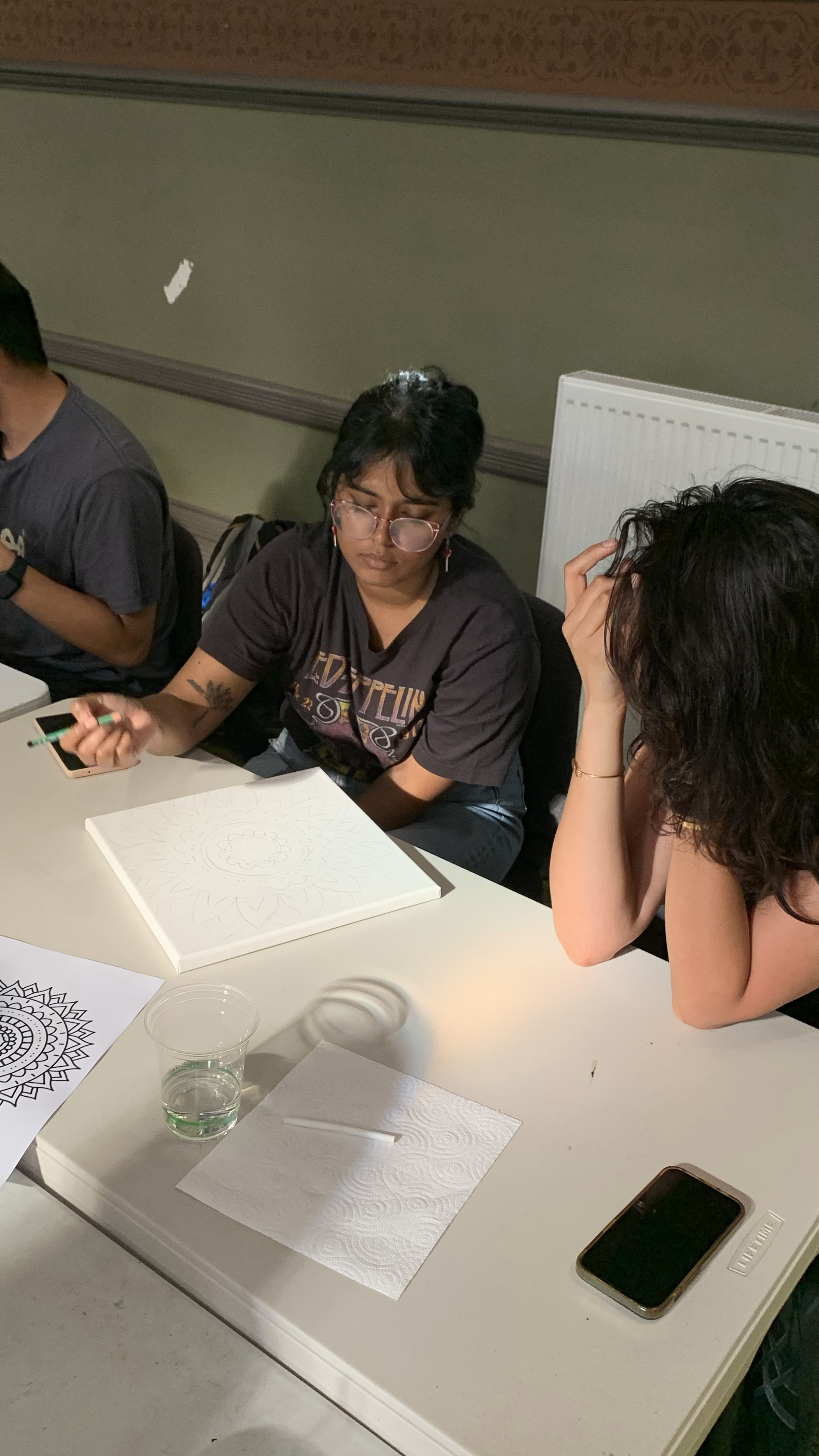
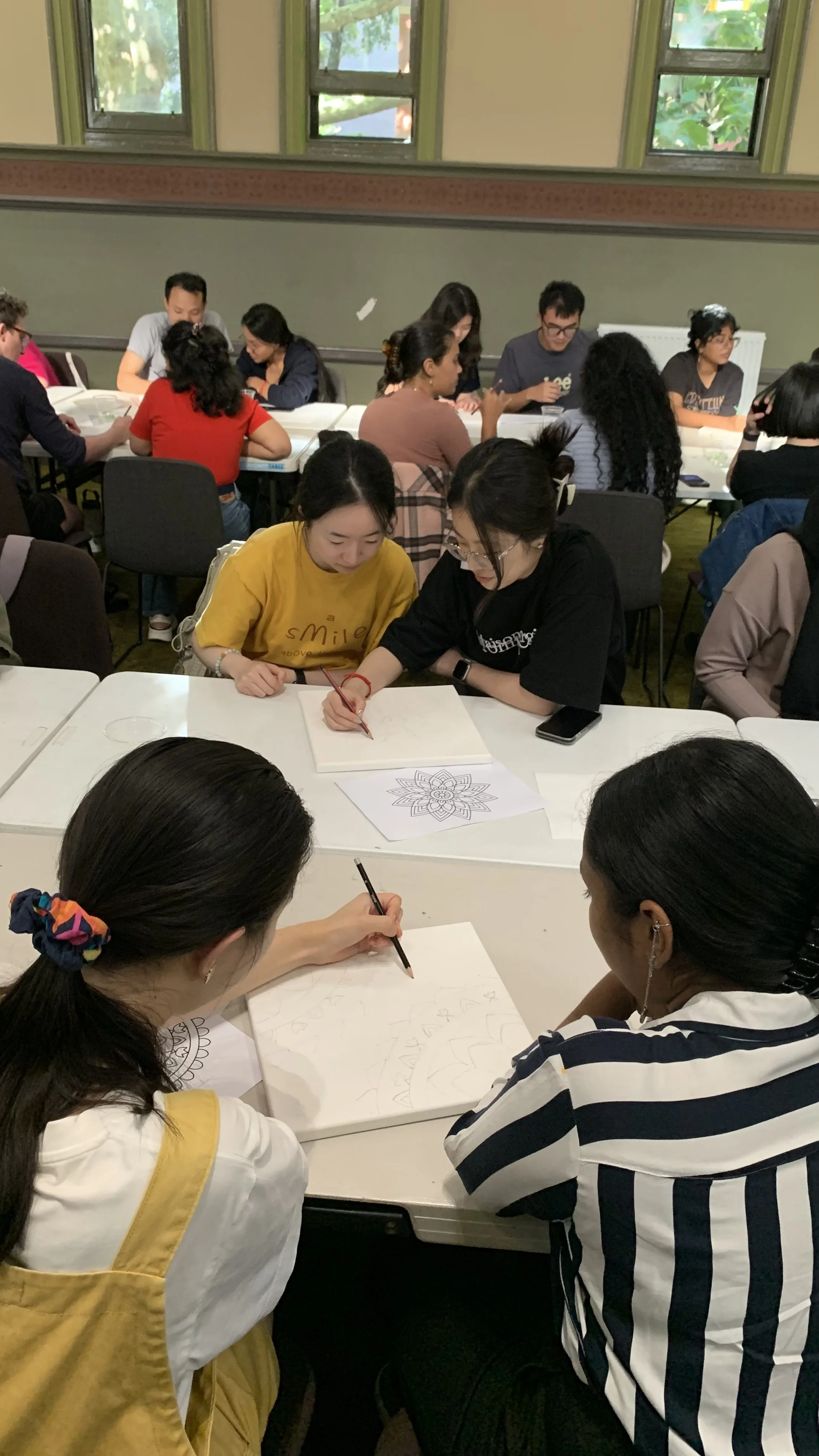
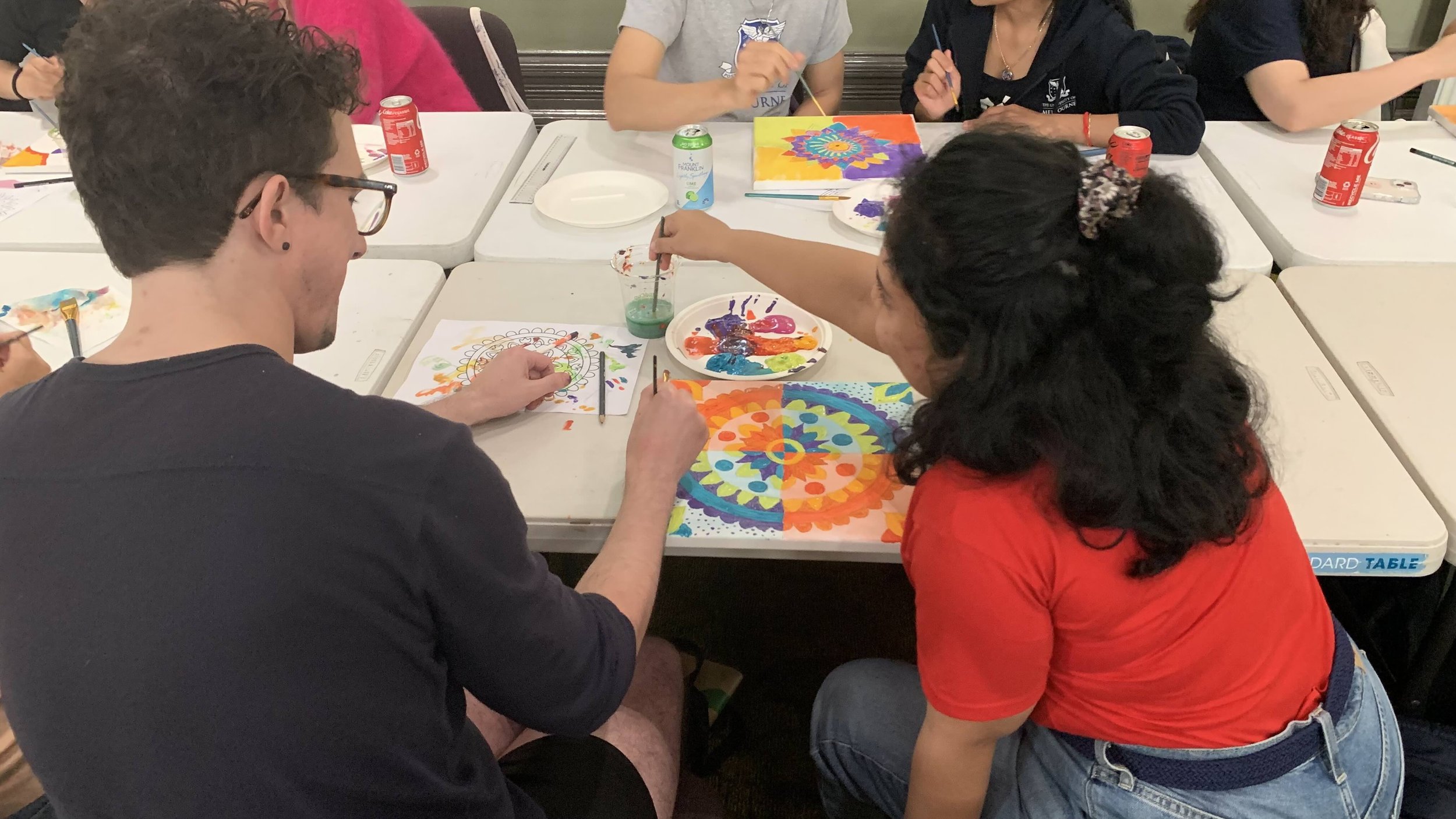
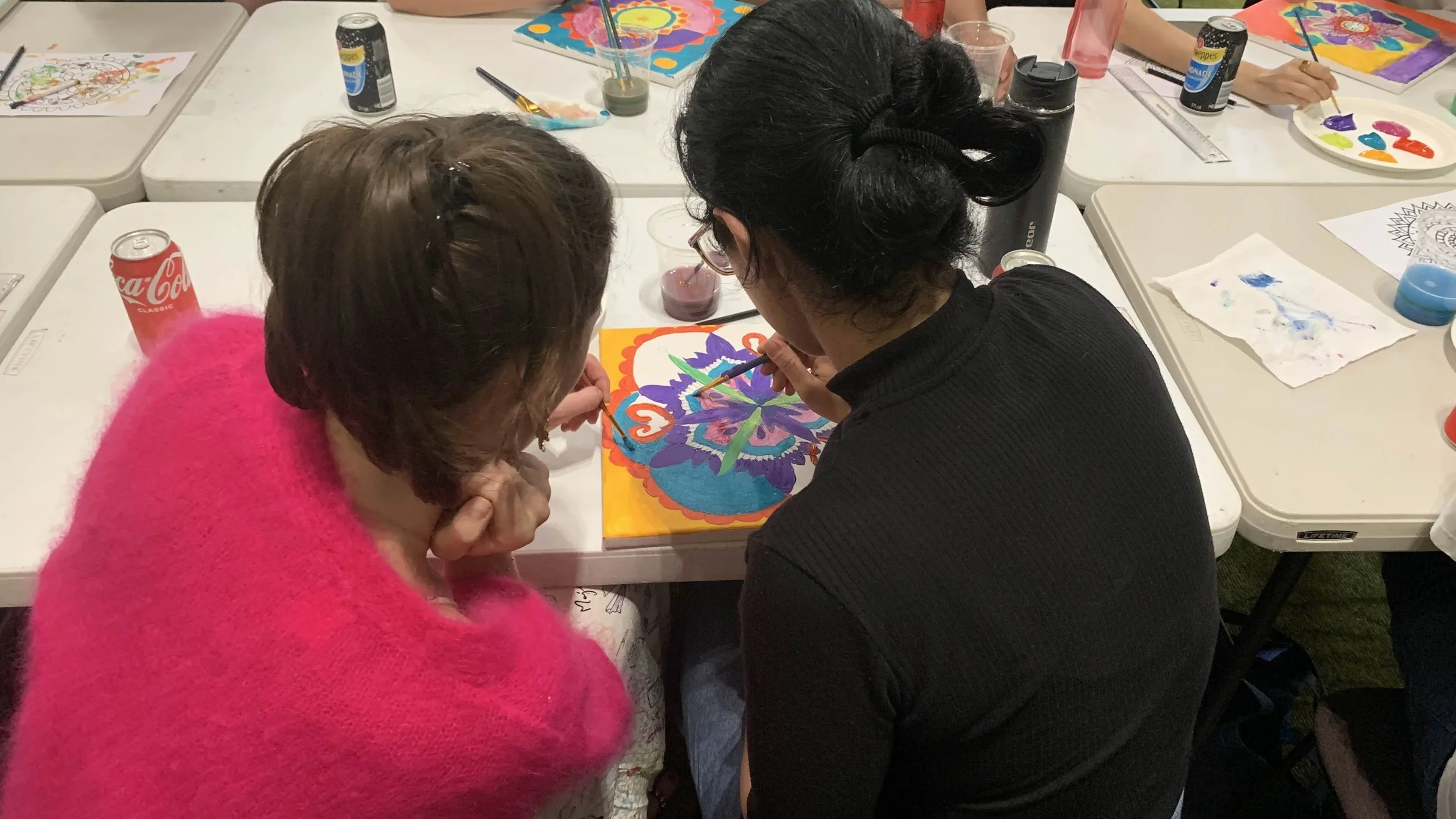
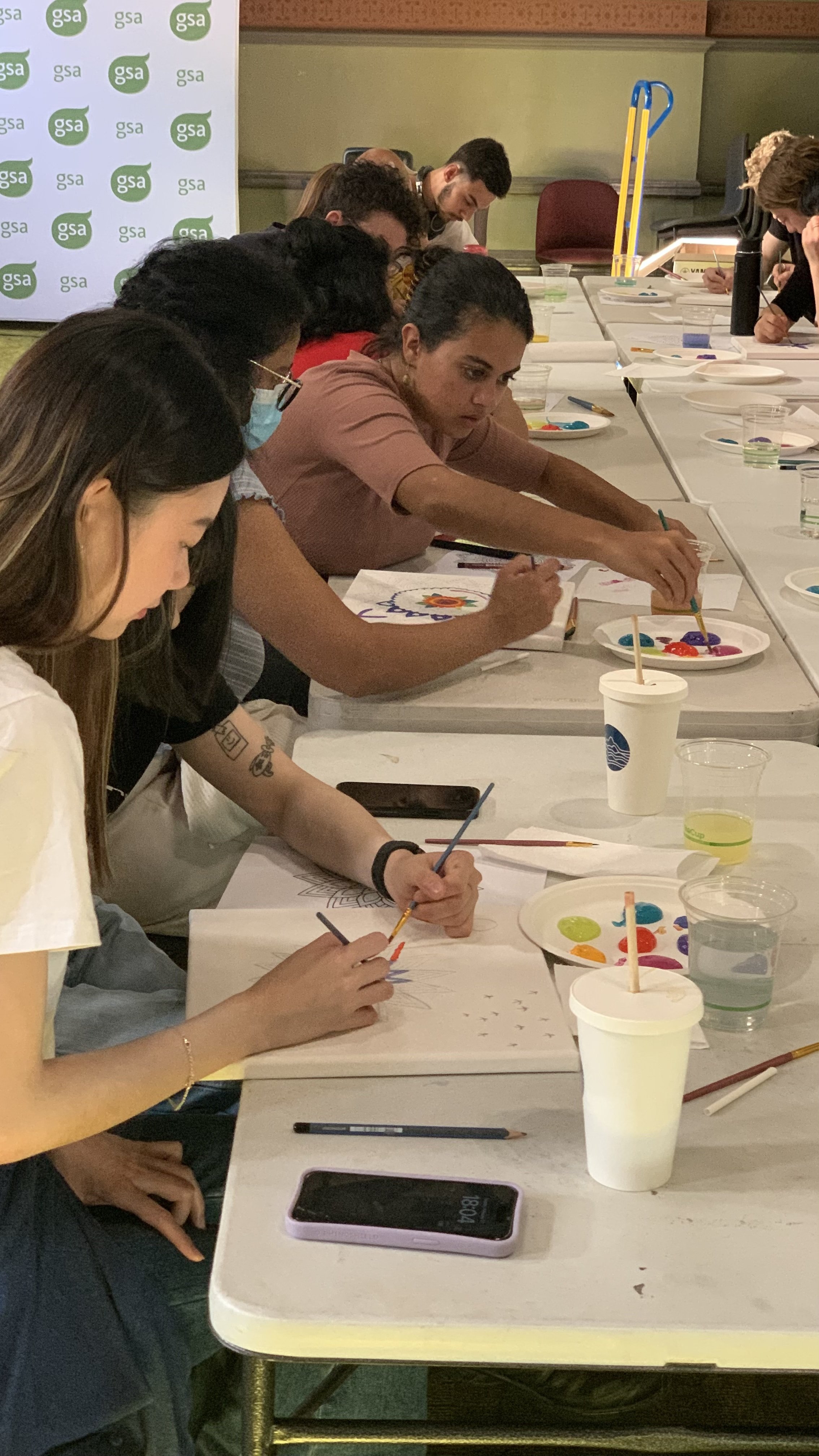
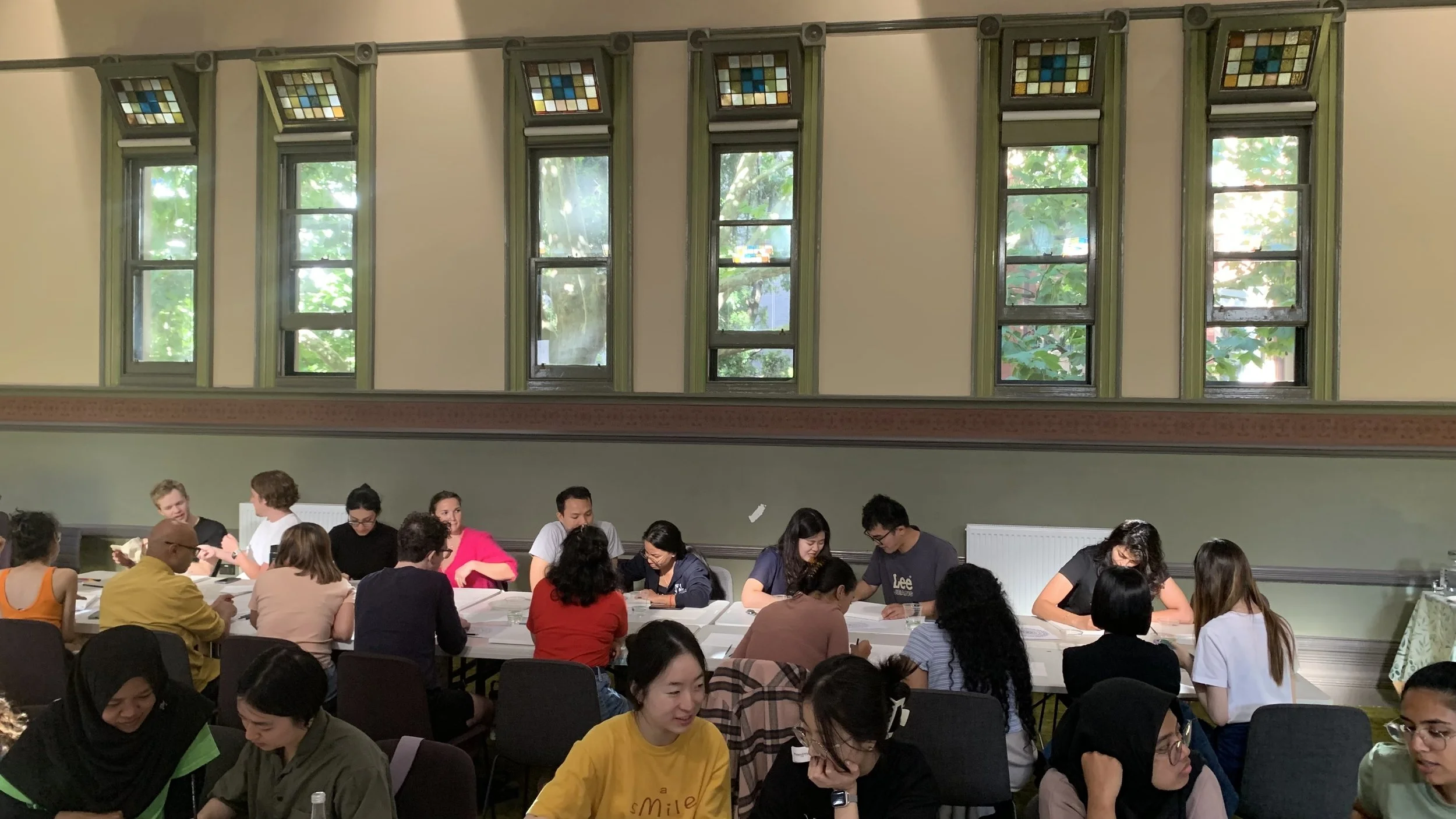
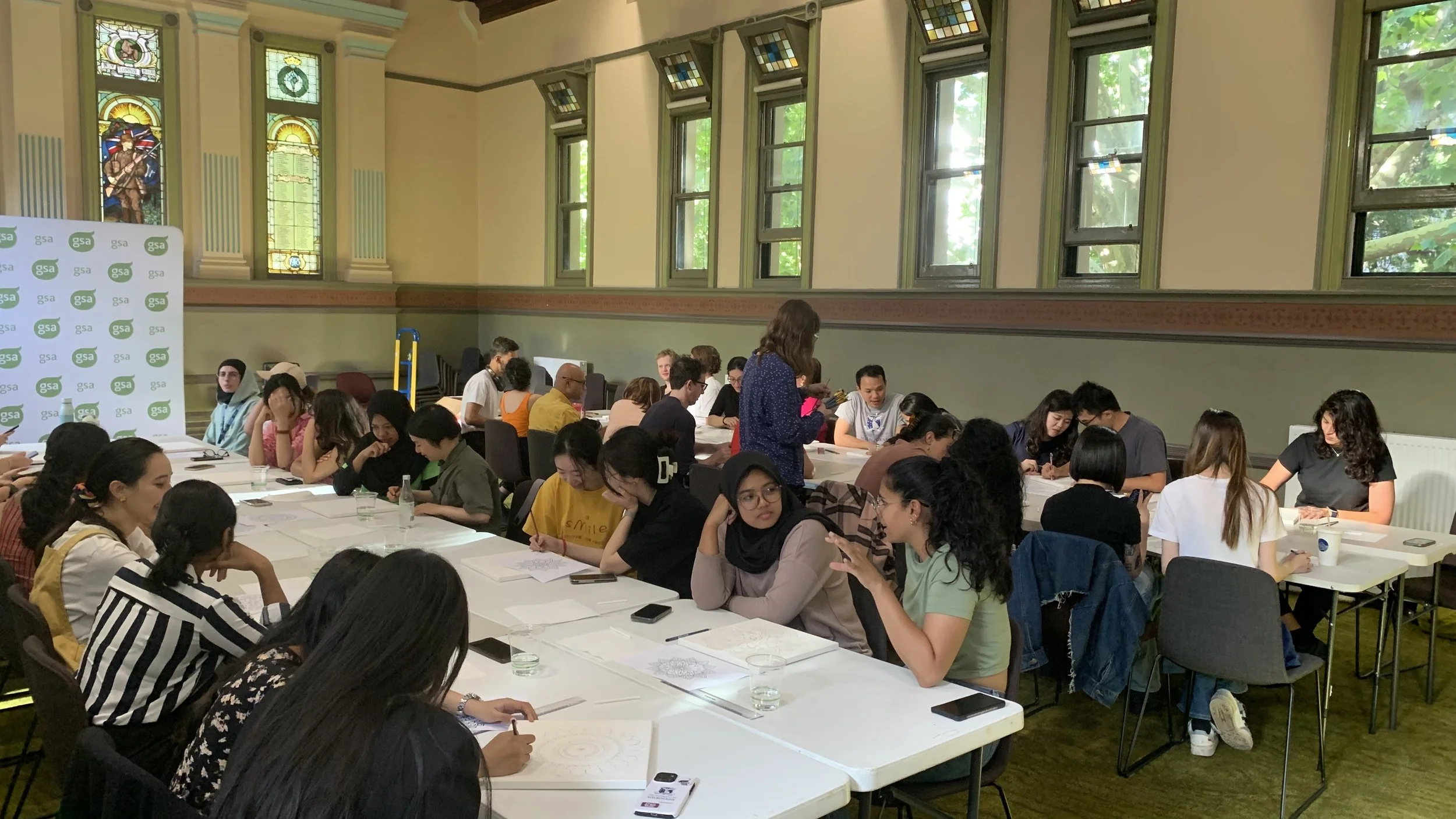
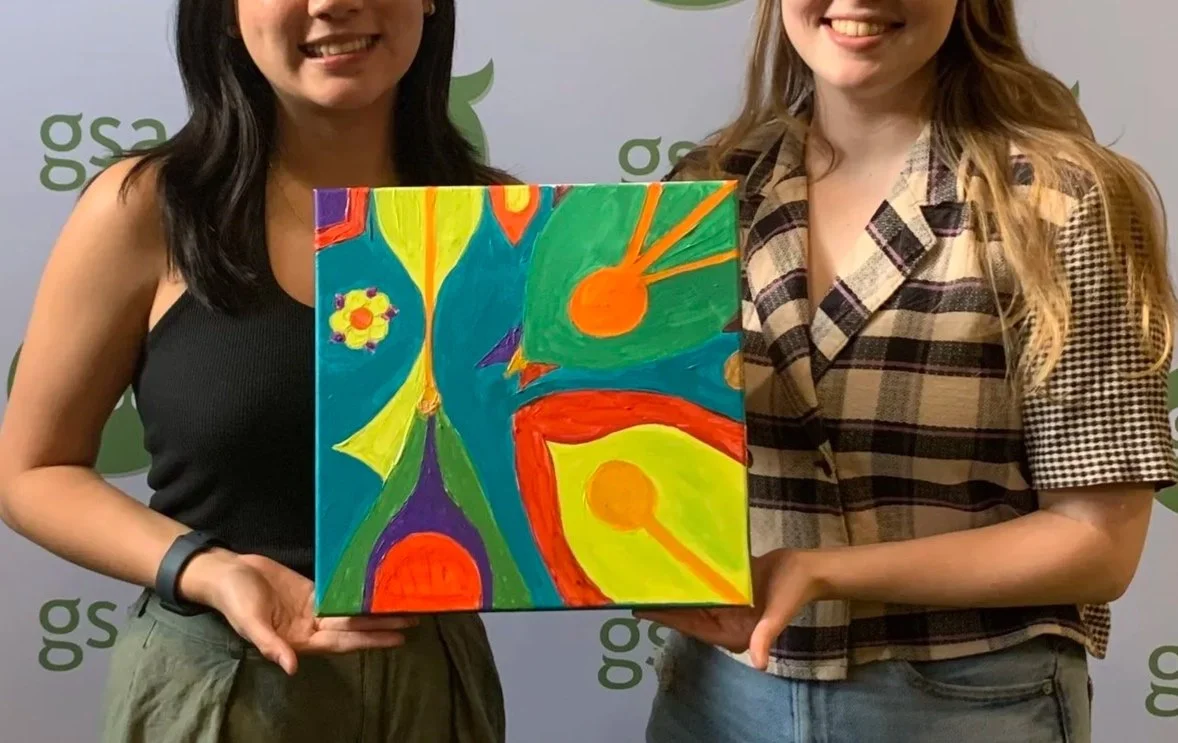
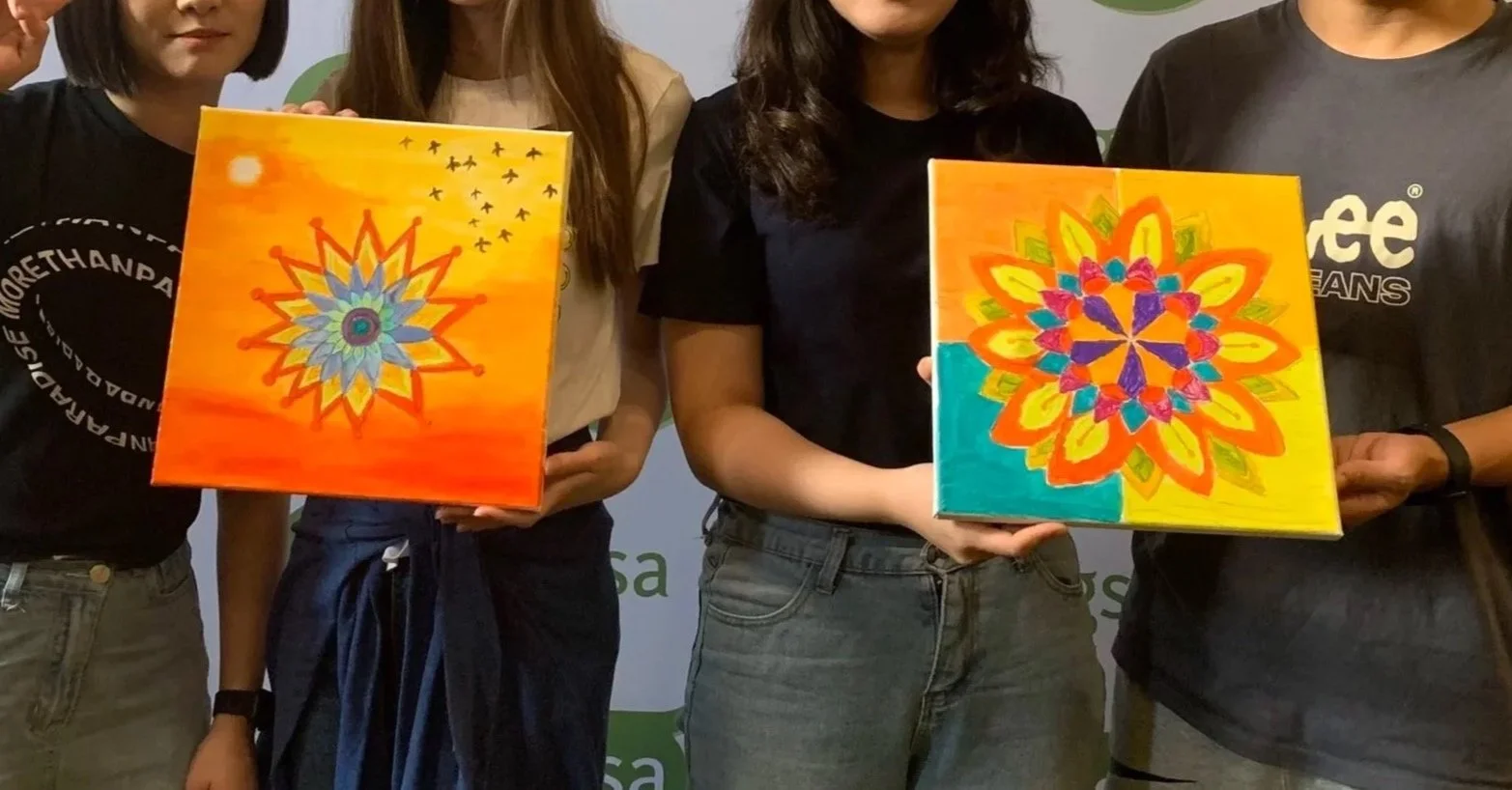
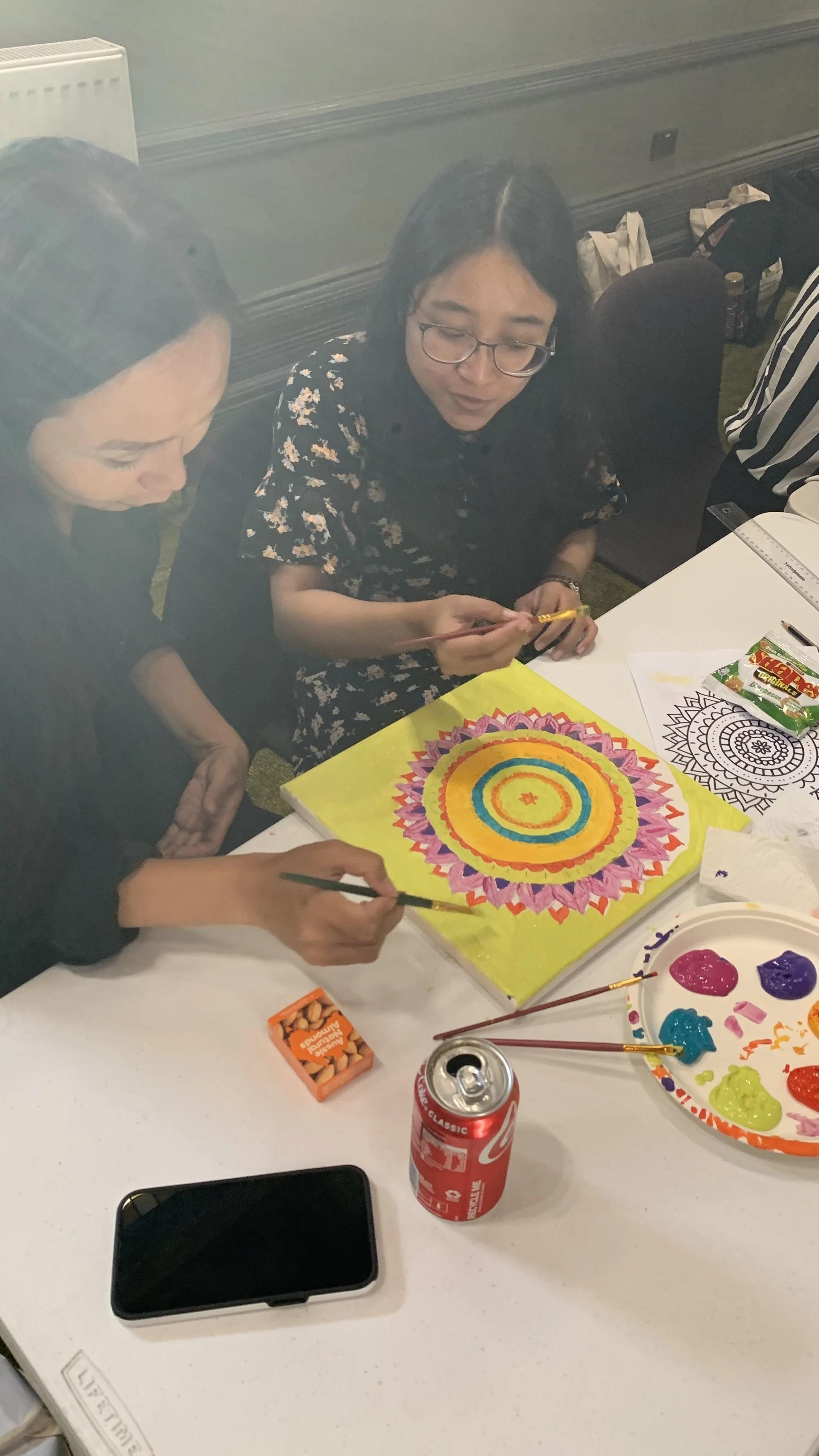
Each participant was randomly paired with someone from a different discipline. Some were from medicine, others from science or the humanities. Most had little or no formal experience with painting. Together they were invited to create a single mandala on one shared canvas.
The creative constraints were immediate.
One canvas.
One table.
Ninety minutes.
A limited selection of colours.
A small collection of traditional mandala motifs to draw from.
Within these boundaries, every decision had to be negotiated.
Participants discussed ideas, selected geometric patterns, planned compositions and blended colours before any paint reached the canvas. What initially appeared to be a painting workshop gradually became an exercise in communication, cooperation and collective decision-making.
Collaboration Through Constraint
The workshop deliberately limited participants' choices.
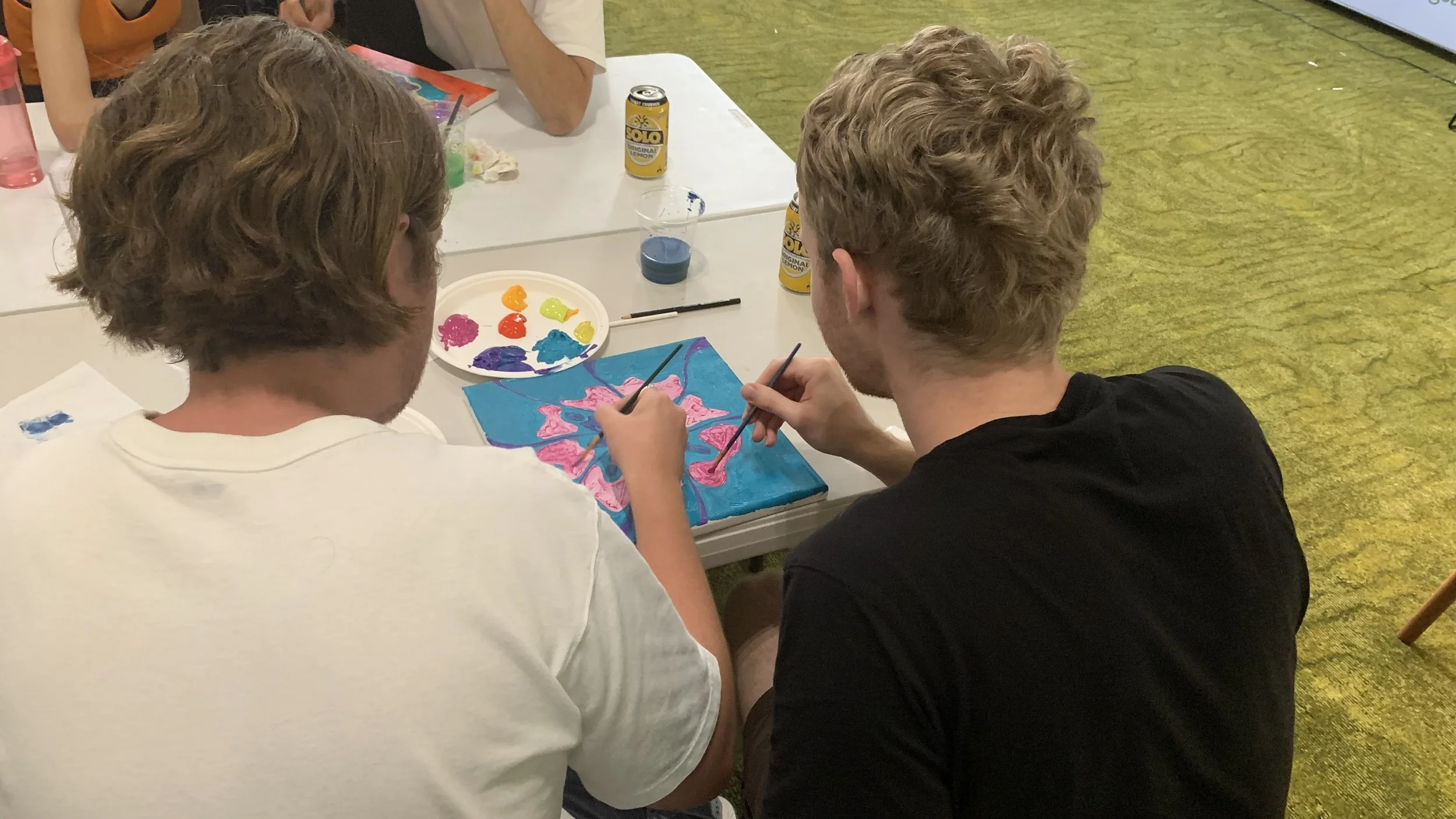
Only primary colours, together with black, white and gold, were provided.
For many participants, particularly those without formal visual arts experience, colours such as green, violet and orange were not immediately available. They first had to be created.
Mixing colour became an unexpected site of collaboration.
Participants discussed proportions, experimented with combinations and learned through trial and error. Colour was not something they selected but something they produced together. Decisions that visual artists often make instinctively became shared conversations requiring patience, negotiation and compromise.
The same process unfolded across every aspect of the artwork.
Participants negotiated line, pattern, symmetry, scale and composition. Some approached the task cautiously while others painted with greater confidence. At times there were moments of hesitation or disagreement about how particular sections should be painted or which colours should be mixed. Rather than disrupting the process, these moments became opportunities to communicate, listen and adapt.
The artwork gradually emerged through dialogue rather than individual authorship.
The Mandala as Methodology
The choice of the mandala as the central methodology was intentional.
Across many cultural traditions, mandalas have been associated with repetition, balance, contemplation and centred attention. Their intricate geometric structures invite careful observation and sustained concentration.
Within the workshop, the mandala functioned not simply as a visual outcome but as a methodology for collaboration.
Its repetitive forms required participants to slow down, pay close attention to detail and continually respond to one another's decisions. Although the room was filled with conversation, music and activity, the repetitive process of drawing and painting encouraged moments of quiet concentration. Participants shifted between discussion and silence as they worked together to maintain rhythm, symmetry and balance across the shared surface.
Rather than simply producing a mandala, participants experienced many of the qualities often associated with its making: patience, attentiveness and sustained focus.
Negotiating Difference
The shared canvas required participants to establish trust, negotiate decisions and build a temporary creative partnership. Perhaps the most compelling aspect of the workshop was observing how unfamiliar individuals gradually became creative partners. Because participants had been paired anonymously, no existing friendships or working relationships shaped the experience. Every partnership began from the same place of uncertainty.
As the workshop progressed, participants established their own ways of communicating. Some carefully divided responsibilities while others painted side by side, continuously responding to one another's ideas. Decision-making became collaborative rather than individual. The shared canvas required each participant to relinquish complete control while remaining actively engaged in shaping the final work.
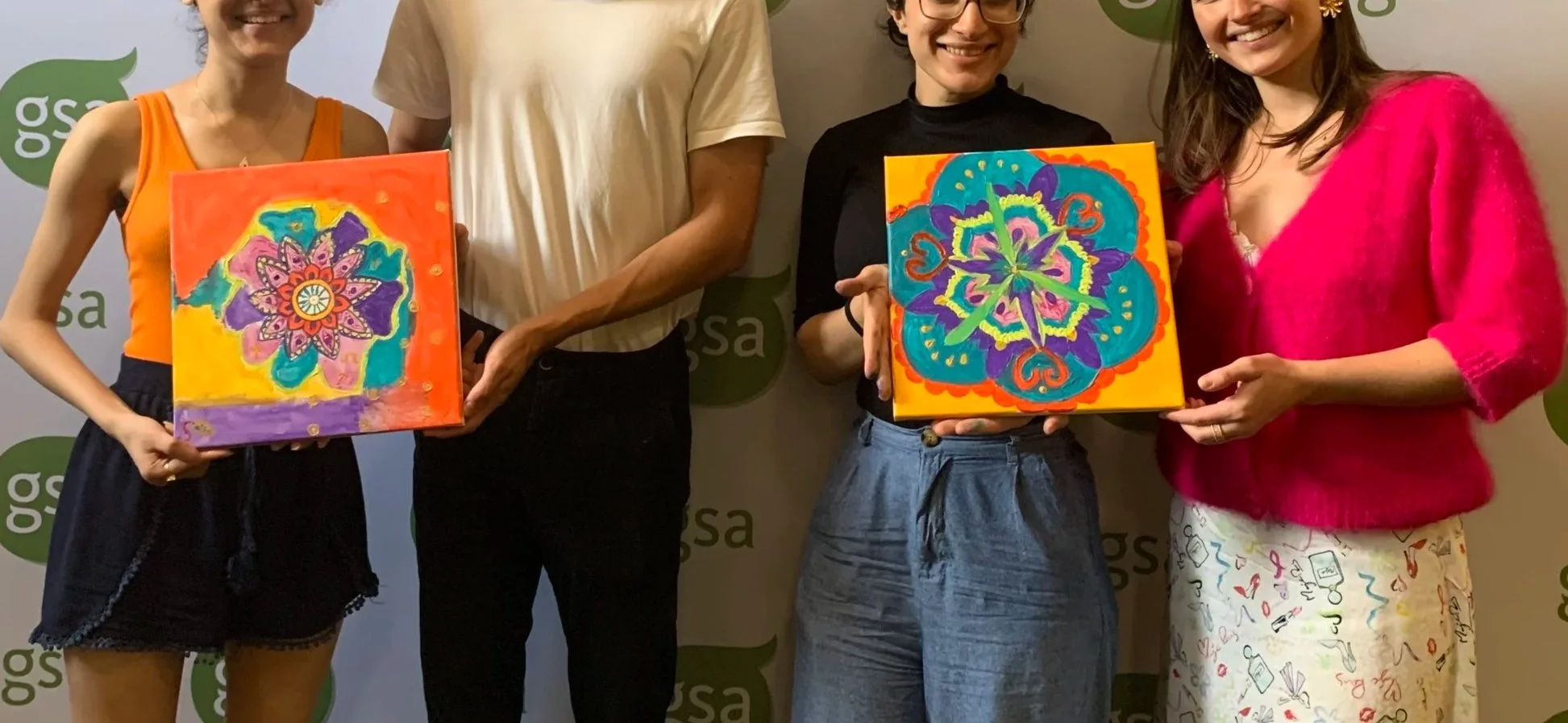
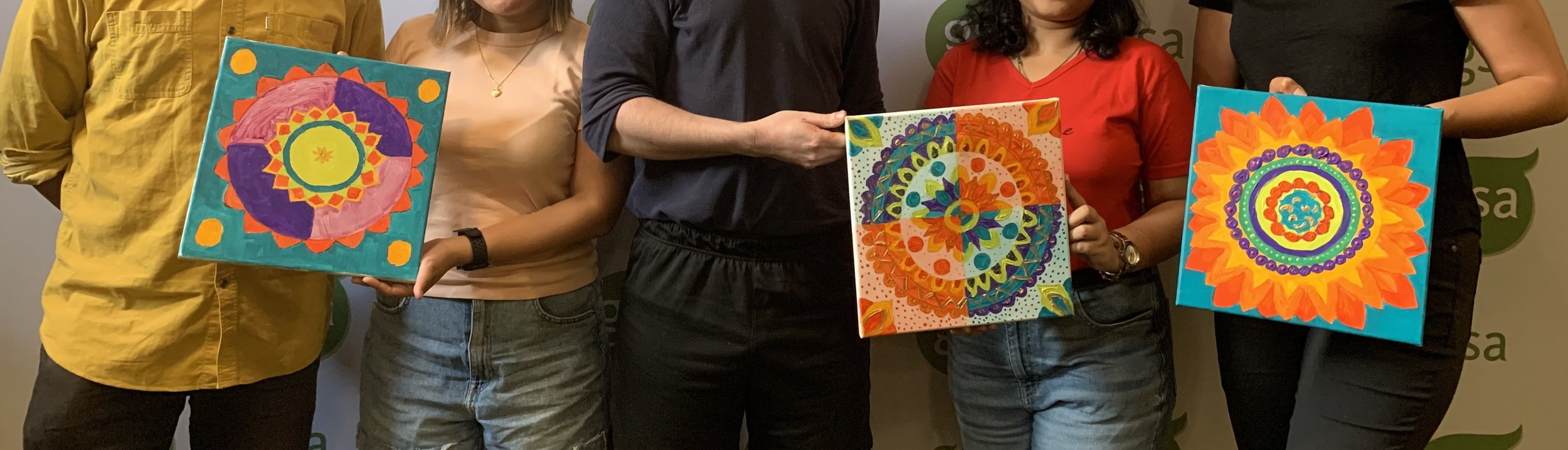
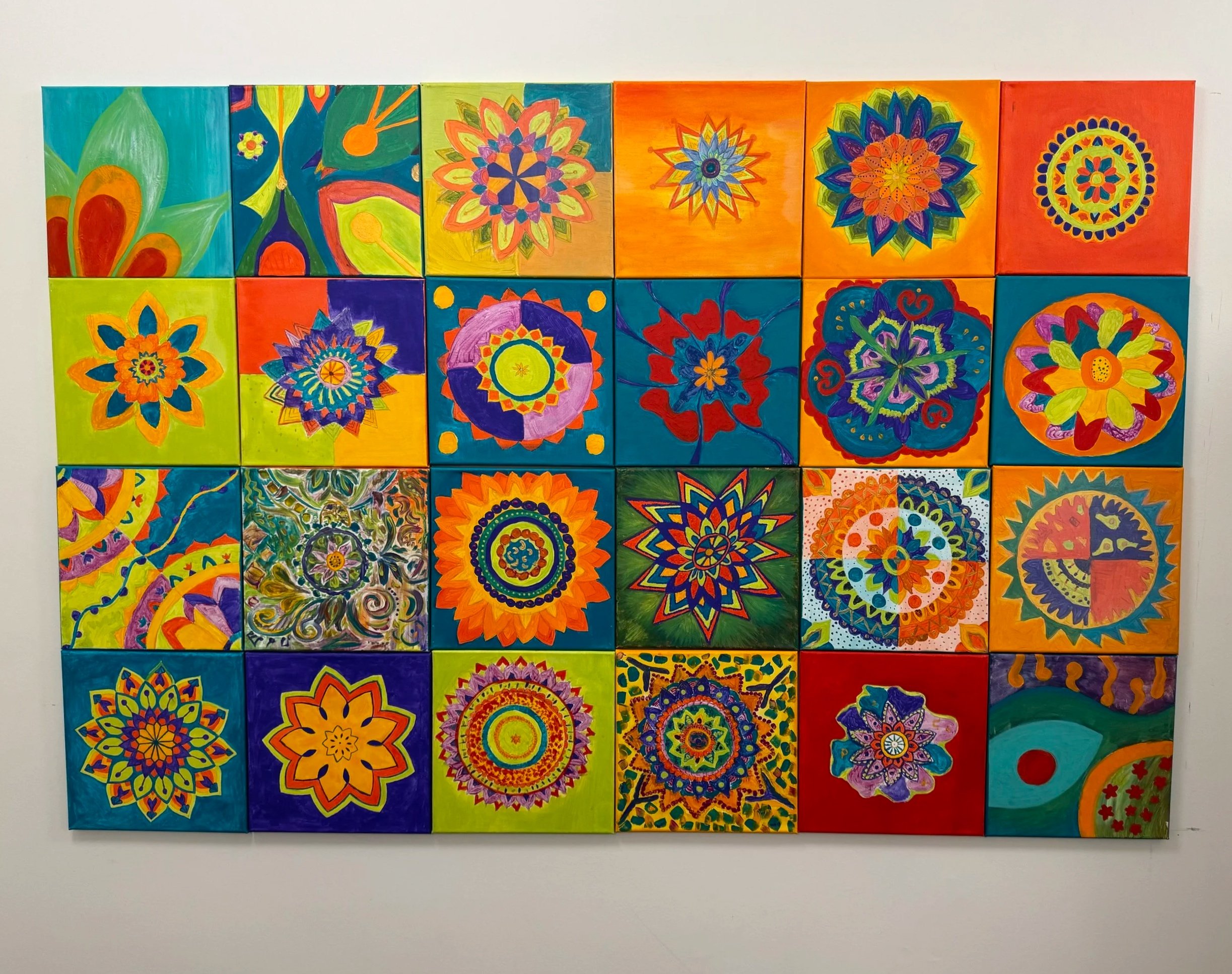
Many of the finished mandalas also reflected participants' personal histories. Alongside traditional geometric forms, some incorporated motifs, symbols and colour palettes inspired by their own cultural backgrounds. Although every pair began with the same constraints, no two mandalas resembled one another. Each artwork became a unique expression of dialogue, negotiation and shared creativity.
Exhibition
Participants knew their completed mandalas would be exhibited within the School of Biomedical Sciences following the workshop. Knowing that the works would become part of a public exhibition introduced another dimension to the creative process. Decisions about colour, composition and finish carried greater significance because the artworks would continue to represent both collaborators beyond the workshop itself. The exhibition transformed the activity from a workshop into a shared public contribution, reinforcing participants' collective responsibility for the final artwork.
Reflection
When designing Mandala Makers, I was uncertain whether complete strangers from different disciplines could successfully design and paint a resolved artwork together within such a short period of time. The constraints felt ambitious: limited materials, limited time, unfamiliar partners and a shared canvas that demanded continual negotiation.
Watching the workshop unfold challenged my own expectations.
Rather than preventing creativity, the constraints became the conditions that enabled it. Participants listened, adapted, solved problems and discovered ways of working together through the act of making itself. The mandala revealed that collaboration is not achieved through agreement alone but through ongoing acts of communication, compromise and mutual attentiveness.
Reflecting on the project afterwards, I came to understand the mandala as more than a geometric design. It had become a relational space where conversation, decision-making and creativity unfolded simultaneously. The finished artworks documented more than individual artistic expression; they embodied the relationships, negotiations and shared understanding that had emerged through making together.
Mandala Makers suggests that arts-based learning can create environments where collaboration is not taught as an abstract concept but experienced directly. Through making together, participants encountered both the challenges and possibilities of working with difference, suggesting that creativity often emerges not despite constraints, but because of them.